


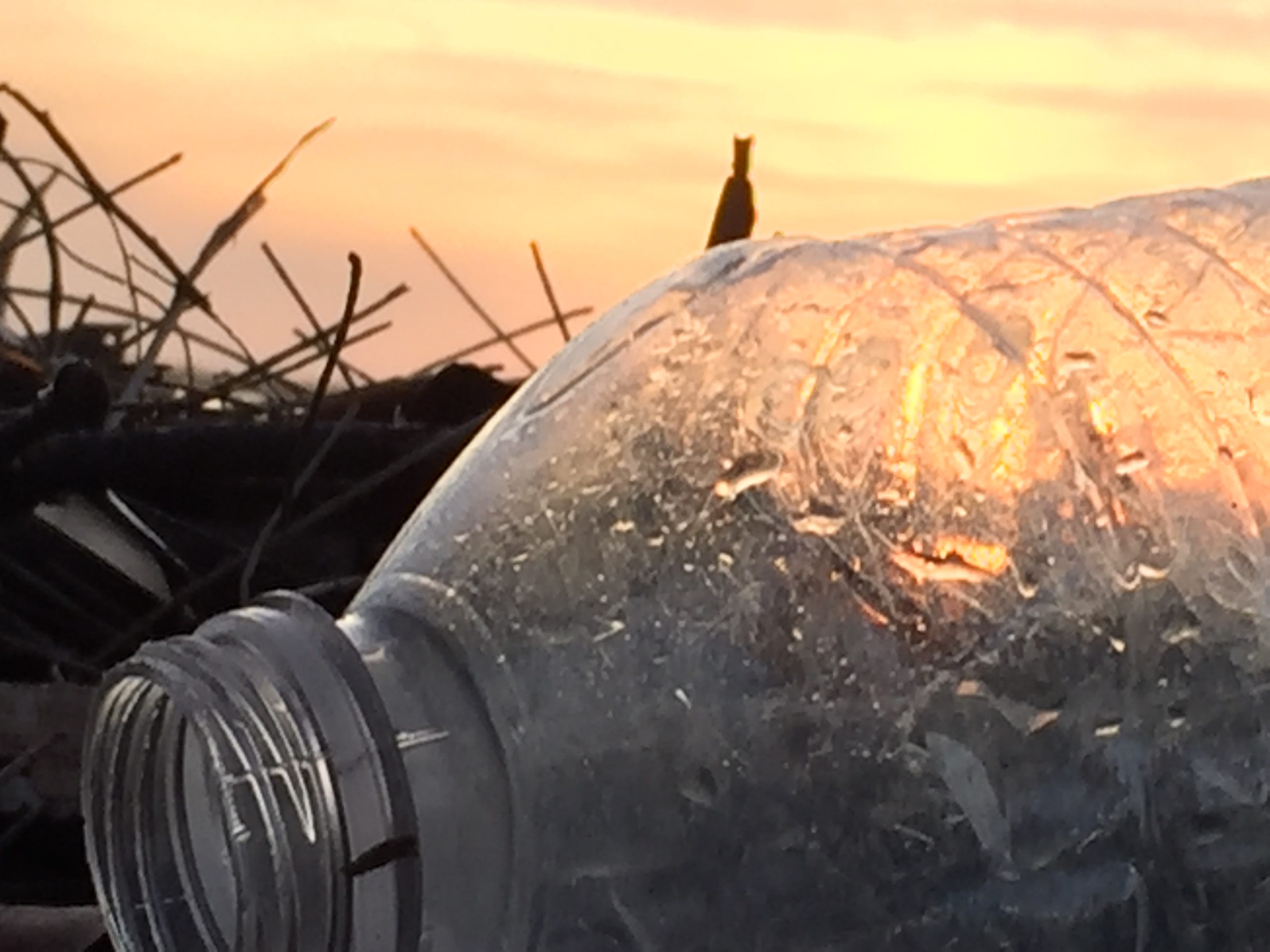
I occasionally I like to share things from around the web — sometimes quirky, sometimes serious.
This one, from my former employer USA Today, unfortunately falls in the latter category.
Here is the actual release from The Smithsonian Tropical Research institute.
It is the first time scientists have ever recorded a recurring ocean event failing.
I can understand why.
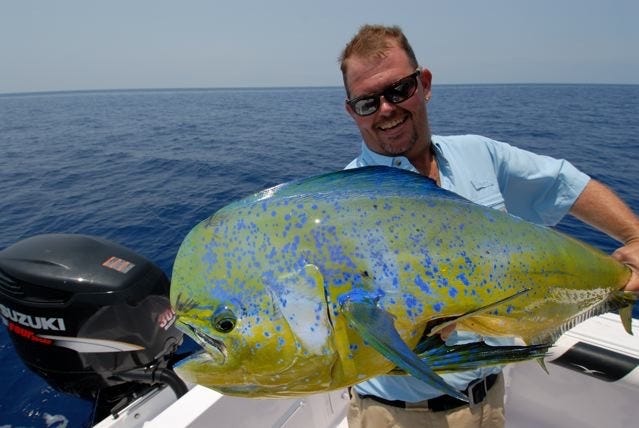
Fishing in Panama out of the legendary Tropic Star Lodge nestled on the edge of the Darien rainforest, action was slow.
The captain told me we needed to find a garbage line.
Later in the day we did.
It was seven miles long.
And we found the fish.
And they were feeding along the trash line.
No matter your political leanings, hopefully we can all agree that our climate is changing. I’m working on something for later this week on climate change and what it portends for our Island City — from rising tides to shifting fisheries.
Nor can man’s influence no longer be denied.
This pattern in the Gulf of Panama is not unique. Twenty years ago, I had the chance to interview Yvon Chouinard, the eco-minded founder of Patagonia, about microplastics.
About the size of a grain of salt, microplastics are the final form of plastic in the degradation process. One of the scientists Chouinard funded at the Scripps Institution of Oceanography was finding seven pounds of microplastics for every one pound of plankton he trawled.
Sardines and other keystone forage fish were feeding on it — expending energy and getting no caloric return, while also passing plastics up the food chain.
The plastic nodules were also settling on thermoclines, reducing the production of the Pacific’s nutrient-rich cold-water upwellings, which are the lifeblood of the world’s oldest ocean.
And that was 20 years ago.
Doesn’t seem like much has changed since then.
It’s not all doom and gloom, though. Scientists are finding innovative ways to collect garbage at sea using automated harvesting booms and even discovering microbes that can dissolve plastic.
Is it too late?
I guess we’ll find out.


