


There has been much adieu about water quality in the last couple of months, ranging from accusations that the privately-owned KW Resort Utilities is contaminating near shore waters with shallow water injection wells to questions about dirty dealing with cruise ship benefactors, private jets, bloated budgets and overpaid staff at Mote’s Marine Lab (we’ll get to that later this week with any luck…)
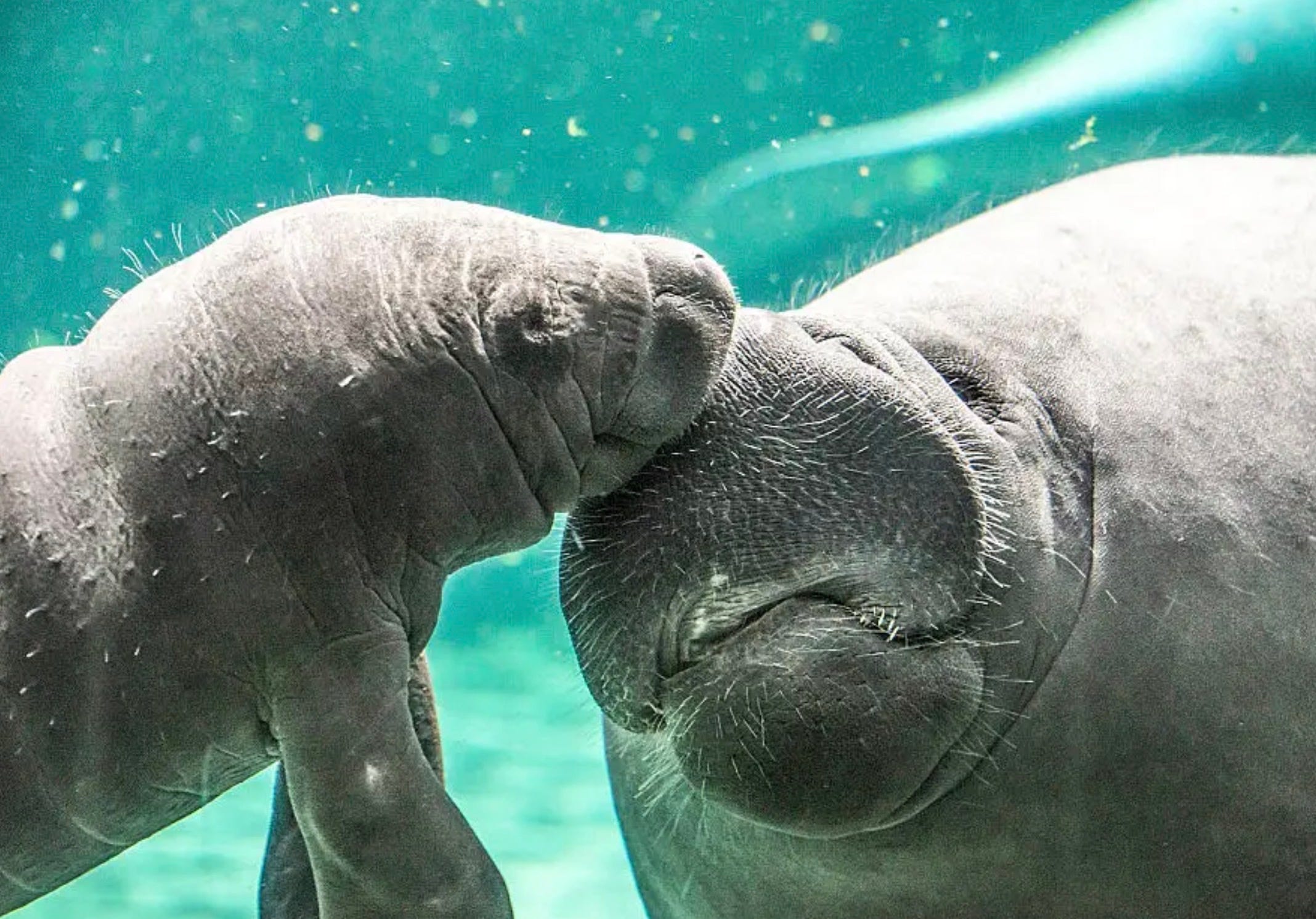
But on the heels of Key West City Commissioner Sam Kaufman’s well-attended (a deep subject, I know) District II water quality meeting on Monday, Friends of the Lower Florida Keys (FOLKs) has released disturbing video footage of manatees drinking from contaminated upwellings just 50 feet off Stock Island — only 300 feet from shallow sewage injection wells at the privately-owned KWRU wastewater plant.
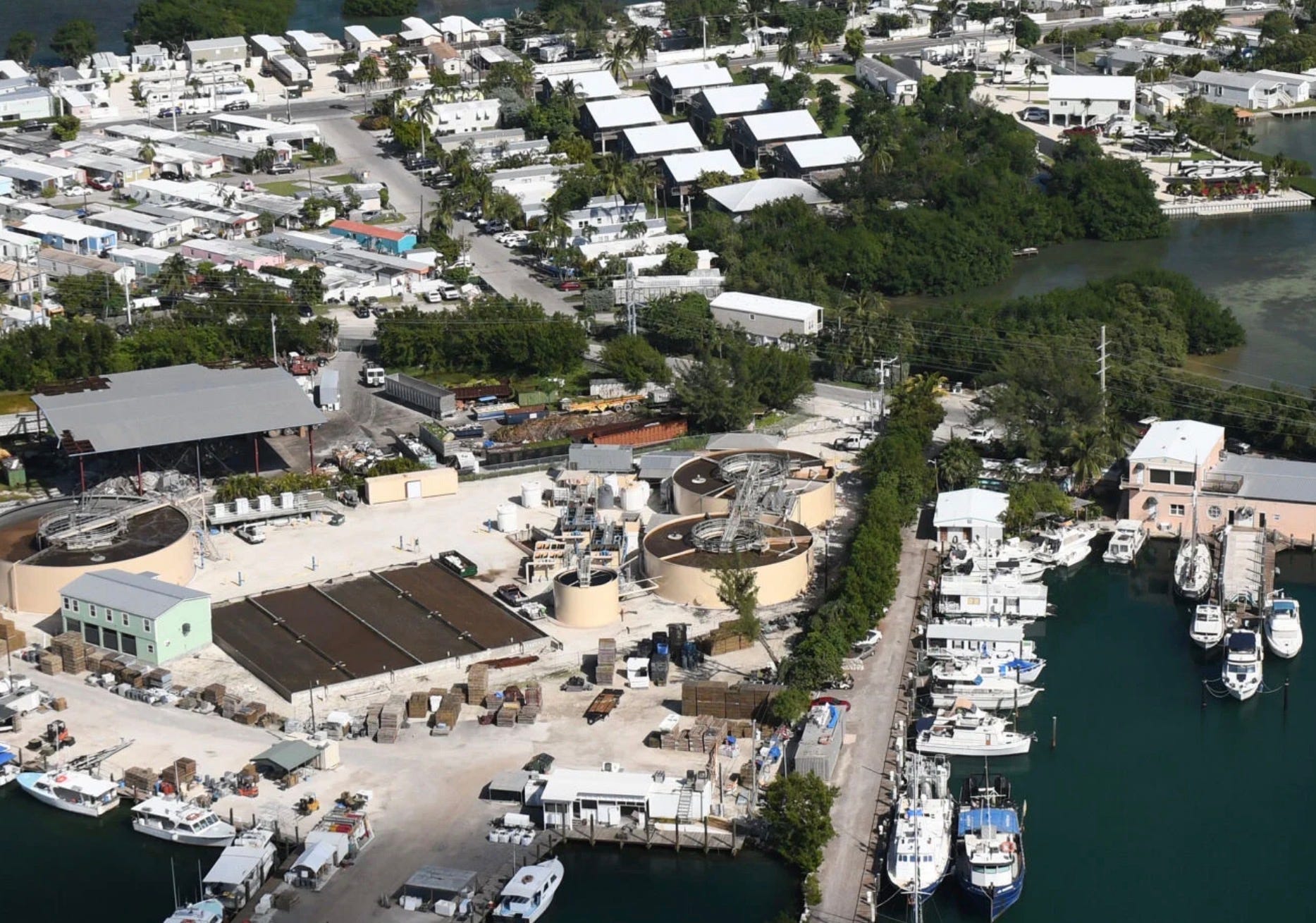
After FOLKs first alerted regulators to the Stock Island upwellings in 2024, KW Resort Utilities issued cease-and-desist letters to community members and scientists who collected water samples — even threatening a libel lawsuit for daring to share their findings — claiming people were only allowed on the greens to play golf, and that the samples were being used for “illicit purposes.”
Long-time Lower Keys resident, tropical fish collector and friend, Don DeMaria, president of the grassroots group, had this to say: “Sewage effluent is more buoyant than marine waters. It’s injected down shallow wells (60 to100 feet) and flows right back up through the porous limestone and into the sea floor upwellings. Deep wells on the other hand (which can be thousands of feet deep) drill much deeper to an impervious rock zone.”
To read FOLKs full report, view videos and sign a petition against shallow water injection wells, click here.
If you don’t have time for the videos, here is a quick guide to the topic from FOLKs:
- Effluent: the water left over after sewage is treated. Even after treatment, it can contain pharmaceuticals, chemicals, pathogens, and excess nutrients.
- Upwellings: places where buoyant groundwater rises from below the sea floor into nearshore waters.
- Injection wells: drilled wells used to dispose of treated wastewater by pumping it underground. They can be shallow (60 to 120 feet) or deep (thousands of feet).
In other words: Effluent appears to be upwelling a few hundred feet from a wastewater injection well.
Even with advanced treatment, effluent can (and does) contain pharmaceuticals, disinfectants, pathogens and excess nutrients.
Since the Keys are capped in porous rock, shallow injection wells simply can’t contain the effluent.
That is why both FOLKs and Last Stand of the Florida Keys have fought for years to end the use of shallow wells in the Keys, including the Stock Island wells.
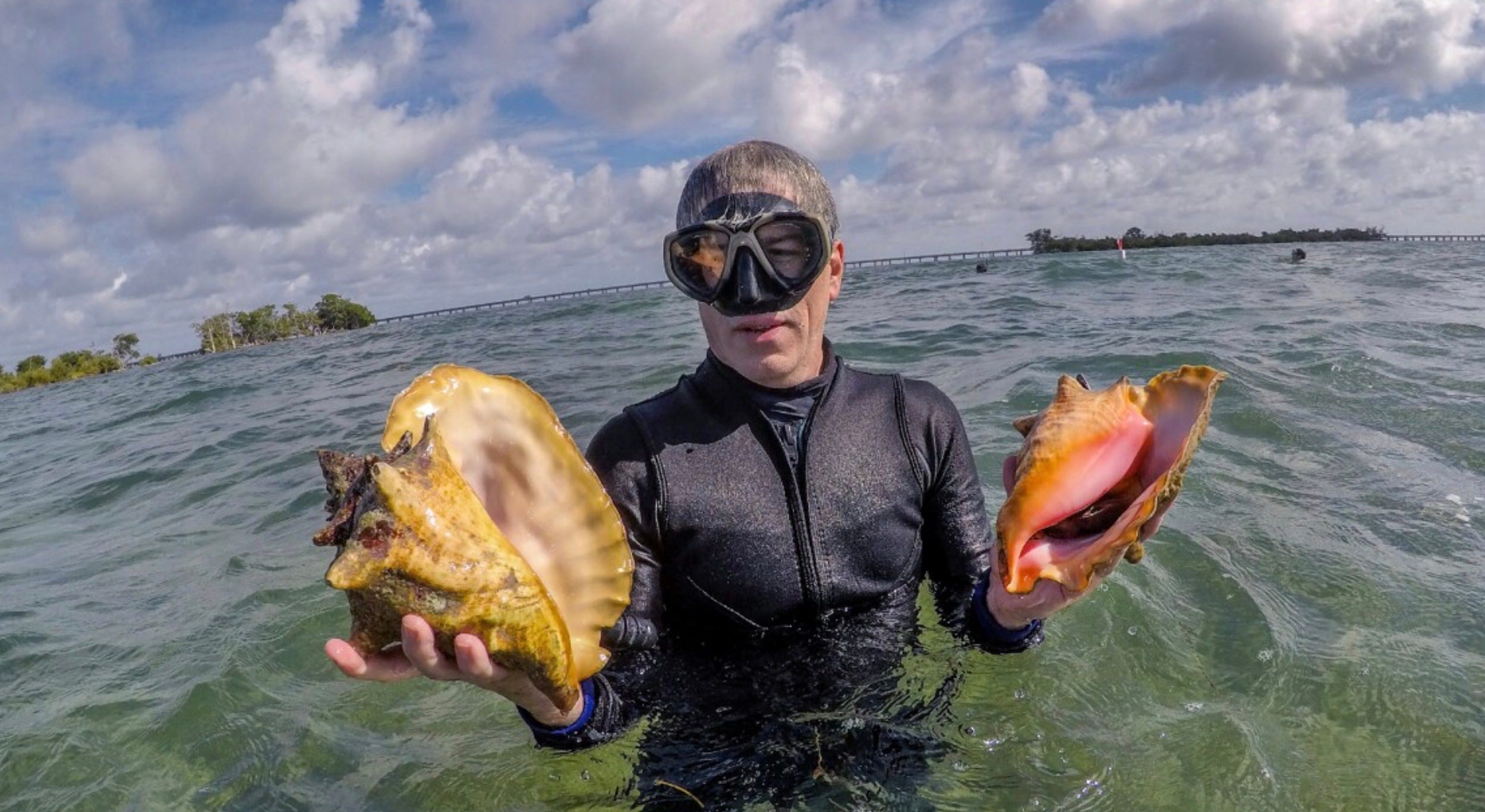
A Florida International University (FIU) study with the Bonefish & Tarpon Trust found an average of seven pharmaceuticals in fish sampled in the Keys, including one fish that tested positive for 17 different medications. Even disinfectants used in treatment, such as chlorine, can linger and are harmful to marine life — especially manatees drinking directly from the upwellings. Some of these are considered endocrine disrupters, which can affect the spawning and lifecycles of keystone species like Queen conch, corals and diadema sea urchins.
Now, FOLKs has released their full evidence packages, including lab tests and underwater videos captured by marine biologist Dr. Matthew Finn. The evidence shows that manatees are consuming water contaminated with human sewage effluent — and research shows the harm goes well beyond the manatees:
- Marine life: Exposure to pharmaceuticals and chemicals causes reproductive harm and behavioral changes that lead to higher fish mortality
- Human health: Swimmers, divers, and seafood consumers risk exposure to pathogens and pollutants; fisheries productivity is reduced.
- Habitats: Seagrass die-offs deprive manatees, turtles, and fish of essential food and shelter.
“Manatees certainly shouldn’t be drinking sewage effluent, and humans shouldn’t be swimming in it or eating the shrimp and fish that consume it,” said Dr. Finn. “It’s killing the seagrass habitat, too. Those videos made me heartsick. The water around the upwellings is pretty disgusting.”
FOLKs along with Last Stand are urging the Florida Department of Environmental Protection, with Sanctuary support, to end shallow sewage disposal on Stock Island and suggests that wastewater should be transported to existing deep wells in Key West or new deep wells should be constructed on Stock Island.
DeMaria said his group’s goal is simple: “Our hope is to end shallow sewage wells in the Keys once and for all. They simply don’t work.”