
Castro Indictment, Drone Reports Heighten Tensions with Island Neighbor
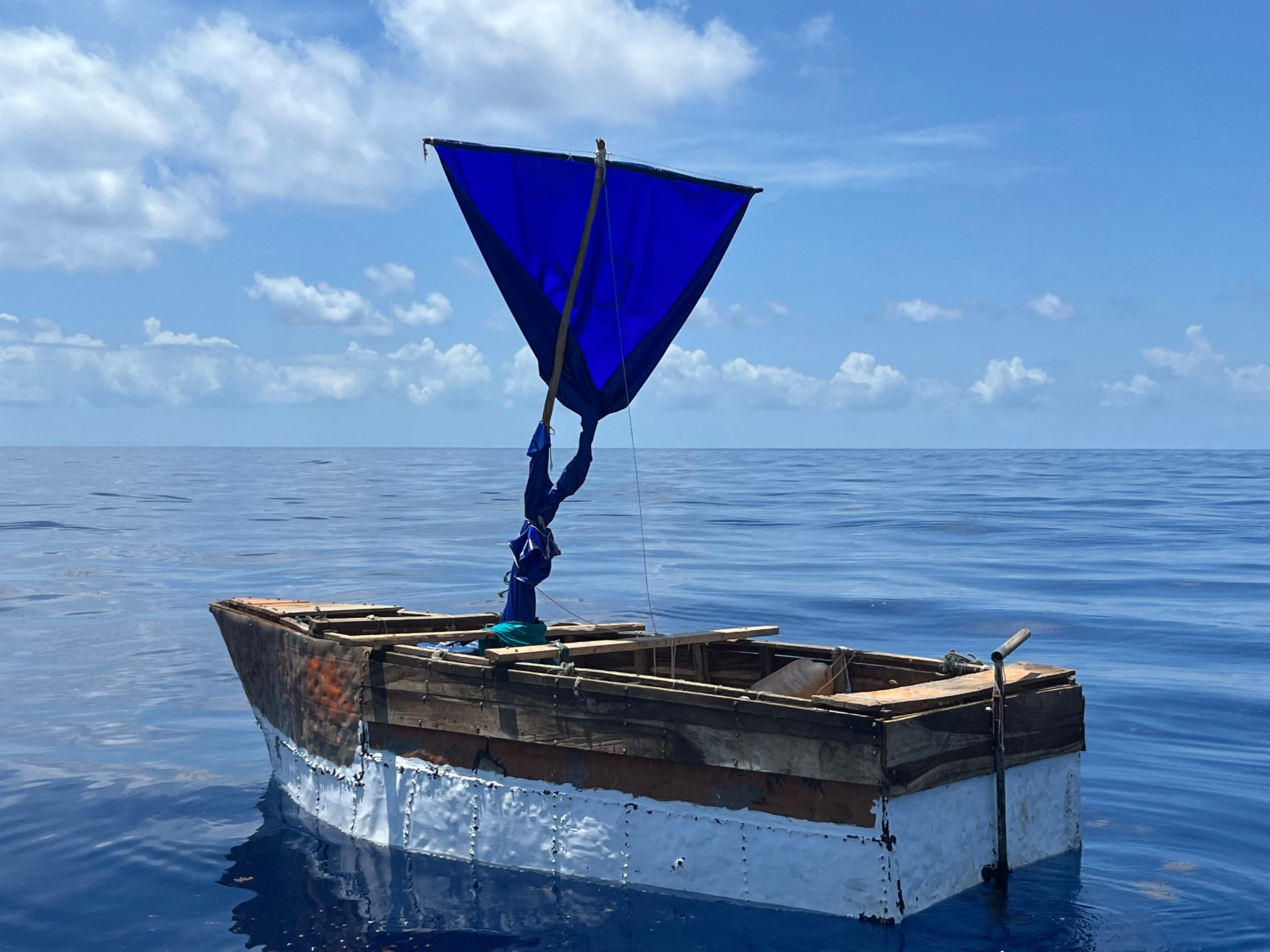
Little if any local action or discussion among city or county officials in advance of what could become another Mariel — forever altering tourism, South Florida and Monroe County for decades to come.

MIAMI — A Justice Department ceremony in Miami is expected to intensify U.S. pressure on Cuba as new intelligence reporting claims the island has expanded its military drone capabilities, including systems that analysts say could potentially reach targets near Key West. The developments — scheduled on the day that Cuba declared its independence from the United States — are stirring renewed security concerns in South Florida and prompting fresh debate over regional stability, migration and military escalation in the Florida Straits.
Federal officials are scheduled to hold a 1 p.m. event Wednesday at Miami’s Freedom Tower honoring the four men killed in the 1996 shootdown of two Brothers to the Rescue planes over international waters. Prosecutors are expected to announce charges against former Cuban leader Raúl Castro, who served as defense minister at the time of the attack and later became president, according to people familiar with the matter.
Such an indictment could trigger a military style extradition similar to that of Venezuela’s President, Nicolas Maduro.
The move would represent a significant legal escalation tied to one of the most contentious episodes in modern U.S.-Cuba relations. Within Miami’s Cuban exile community, the shootdown has long stood as a symbol of Havana’s willingness to project force beyond the island and of what critics view as decades of limited accountability for senior Cuban officials.
What this means for Key West and the rest of Monroe County is uncertain; little if any discussion has been had at the City or County level for what could be the most significant moment in Cuban-American relations since the Cuban Missile Crisis in 1962.

The case is also reviving broader scrutiny of Castro’s legacy. The Associated Press previously reported that federal prosecutors in Miami during the early 1990s examined potential cocaine-trafficking charges against Raúl Castro and other senior Cuban military figures based on testimony from Colombian traffickers, though no charges were ultimately filed. For critics of the Cuban government, the latest prosecution effort is being viewed as part of a broader reckoning over the conduct of Cuba’s security apparatus.
The legal and political tensions come as Axios reported that Cuba has acquired more than 300 military drones from Russia and Iran since 2023 and has discussed potential strike scenarios involving Guantánamo Bay, U.S. vessels and “possibly Key West.” U.S. officials cited in the report said they do not believe Cuba is preparing an imminent attack but consider the expanding drone capability a growing strategic concern that could become significant during a future crisis.

Cuban President Miguel Díaz-Canel dismissed the drone report as false and warned that any U.S. military action against Cuba would trigger severe consequences — in his words, “a bloodbath.”
In the Florida Keys, Monroe County Sheriff Rick Ramsay said he has not received any intelligence indicating a direct threat to Key West and urged residents not to panic. State and local officials, however, remain mindful that any major deterioration in U.S.-Cuba relations could lead to another large-scale migration event across the 90 miles separating Cuba and the Florida Keys that could change the face of Monroe County in general — and worrisome specifically — for decades to come.
This is an evolving story. Watch this space.