


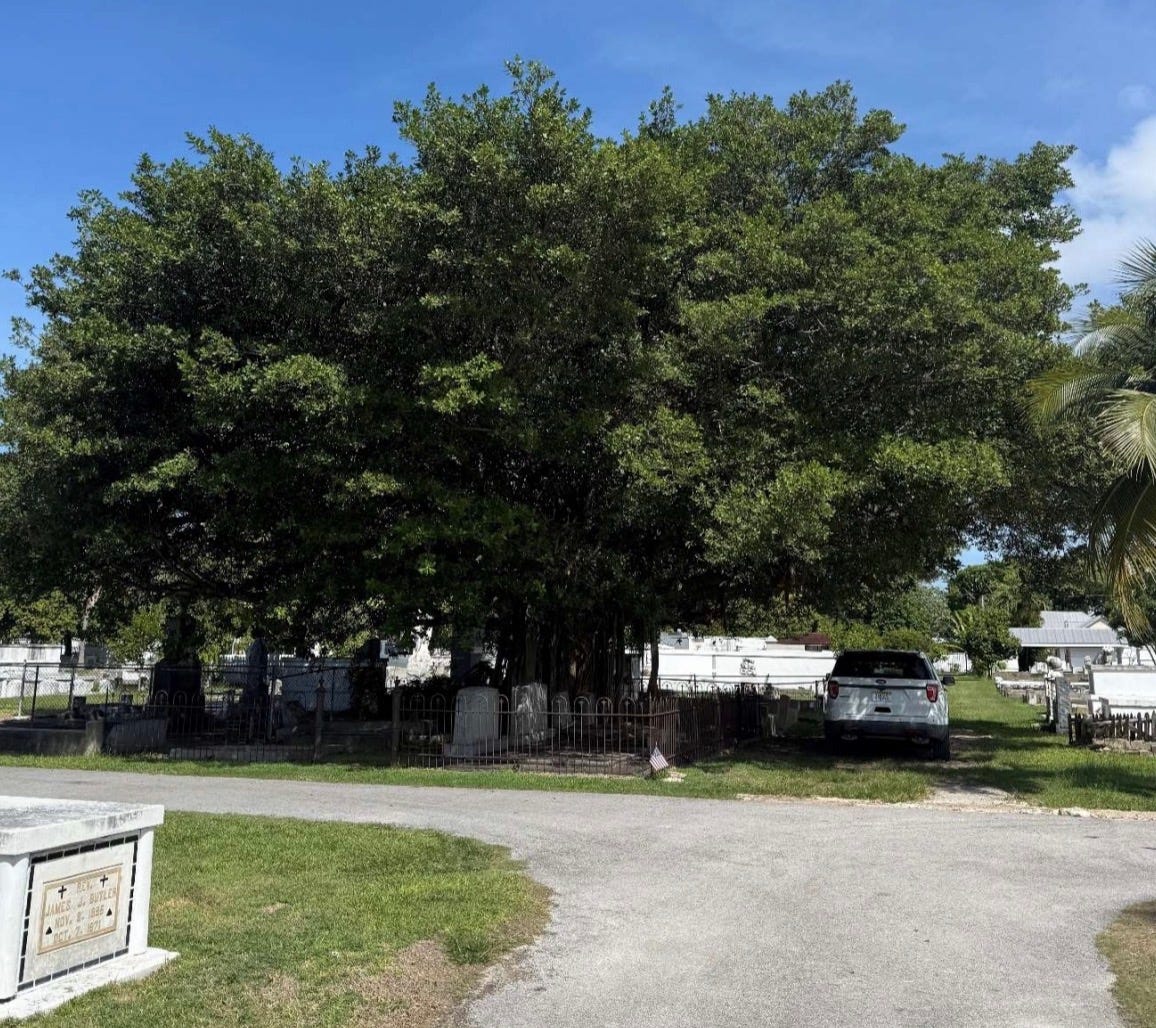
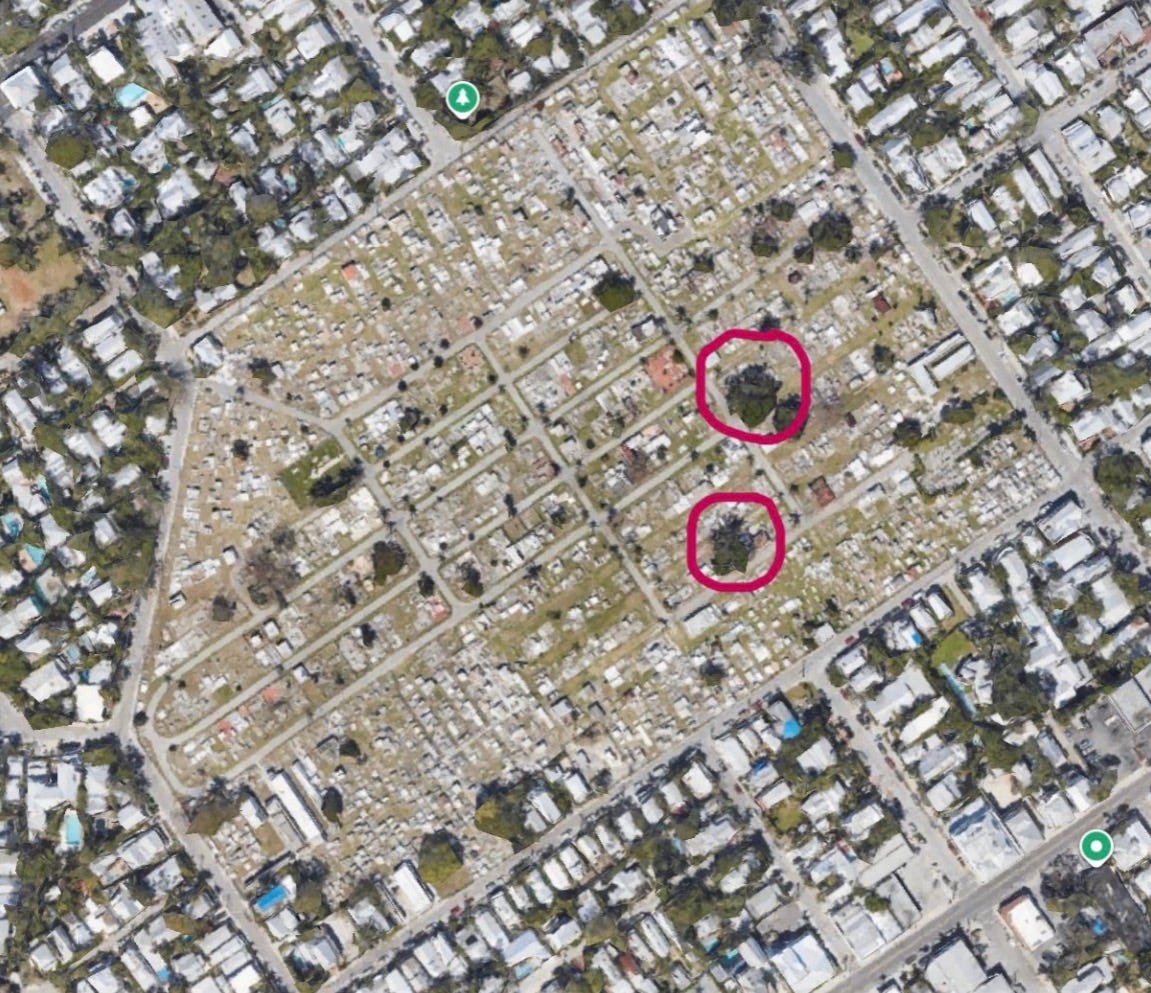
Two sprawling strangler fig trees in the heart of the Key West Cemetery have ignited a fierce debate over how the island honors its past — and how far the city should go to preserve it.
City arborists say the trees are breaking apart tombs, slabs, and burial vaults, threatening groundwater and the structural integrity of one of Key West’s oldest public spaces. But preservationists and volunteers say the trees are sacred symbols of endurance, deeply entwined — both literally and spiritually — with the history of those buried beneath.
Arborists Urge Swift Removal
In a report filed under Tree Removal Application T2025-0245, Urban Forestry Manager Brett Mayle and Assistant Urban Forestry Manager Zach Bentley recommended immediate removal of the two figs, one 96 inches in diameter and another 53 inches, citing “severe disruption” to surrounding graves.
“Allowing trees to break apart the concrete slabs people are laid to rest in is irresponsible,” the report said, noting the trees’ roots are “consuming” headstones and burial sites.
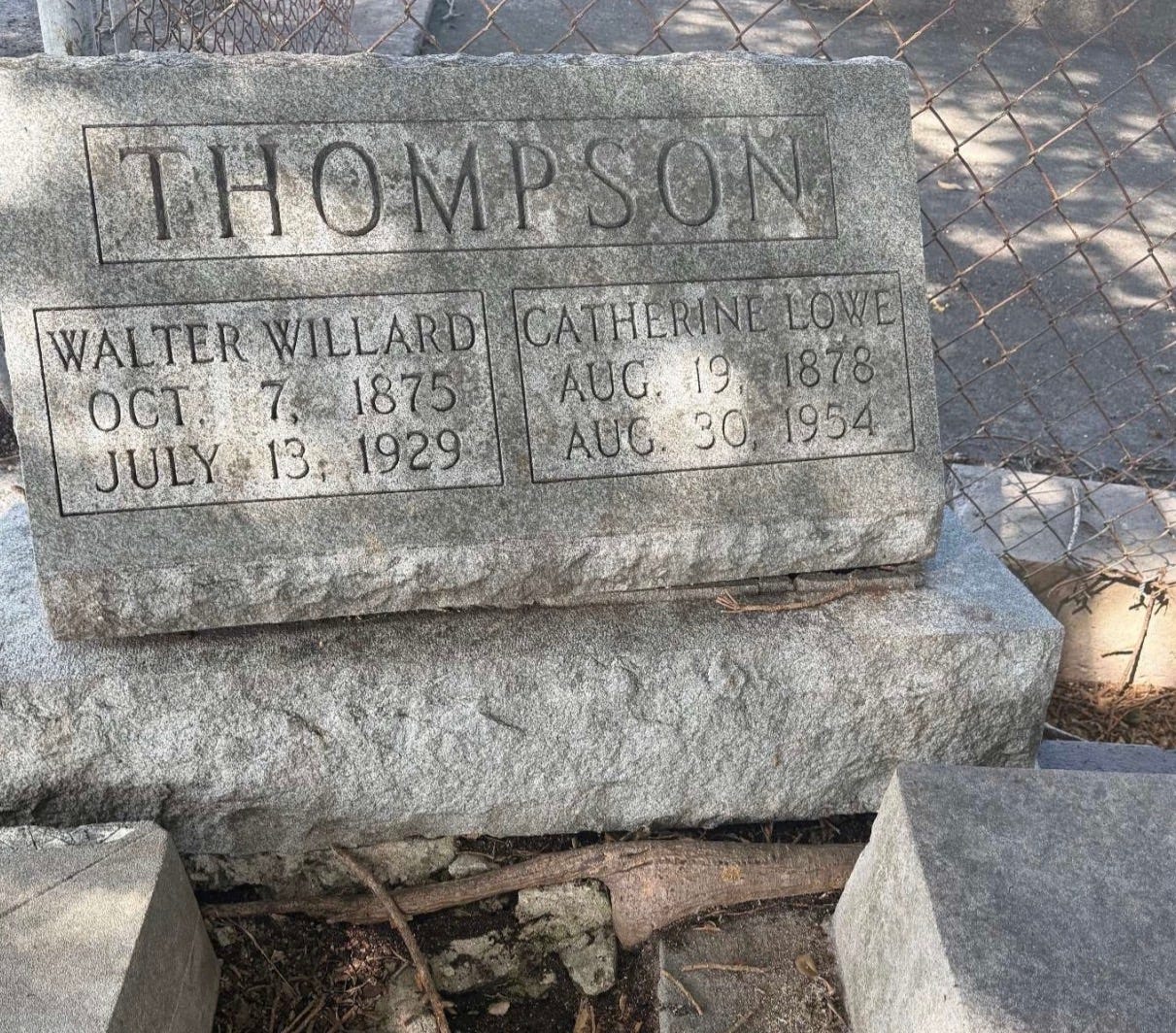
The arborists warned that the trees could compromise metal-sealed caskets, required under city code to prevent embalming fluids from contaminating groundwater.
The cemetery, formally designated in 1847, sits atop porous limestone, where tree roots easily penetrate burial vaults and concrete slabs.
Meeting Canceled, Debate Intensifies
The Key West Tree Commission was scheduled to review the application at 5 p.m. Monday, Nov. 10, but according to the city’s website, the meeting was canceled due to a lack of quorum.
No new hearing date has been posted, leaving both sides to lobby their case in the court of public opinion. The next meeting is scheduled in December, and would mean the commission would have approximately double the workload.
“Living Monuments,” Say Preservationists
In a letter opposing the removal, Mary Ann Matter, a longtime volunteer and former cemetery archivist, described the trees as “living monuments” that should be preserved as part of the island’s natural and historical fabric.
“These trees have been established, growing old along with the historic graves they shade,” she wrote. “They are living monuments, qualifying for historic recognition, and are often the subject of artists and photographers visiting our unique cemetery.”
Matter argued that the trees are aesthetic, cultural, and spiritual touchstones — symbols of enlightenment and resilience in many world traditions.
“Removing such a tree could be seen as disrespecting deeply held beliefs,” she wrote. “The fig’s natural roots entwining a headstone creates a dramatic, mythical, and visually striking image that many find beautiful and inspiring.”
She also challenged the city’s claims of contamination risk, noting that most graves beneath the trees date to the 1880s, long before metal caskets were common, and that the cemetery’s wells were capped in the 1970s.
Fears of Desecration and Displacement
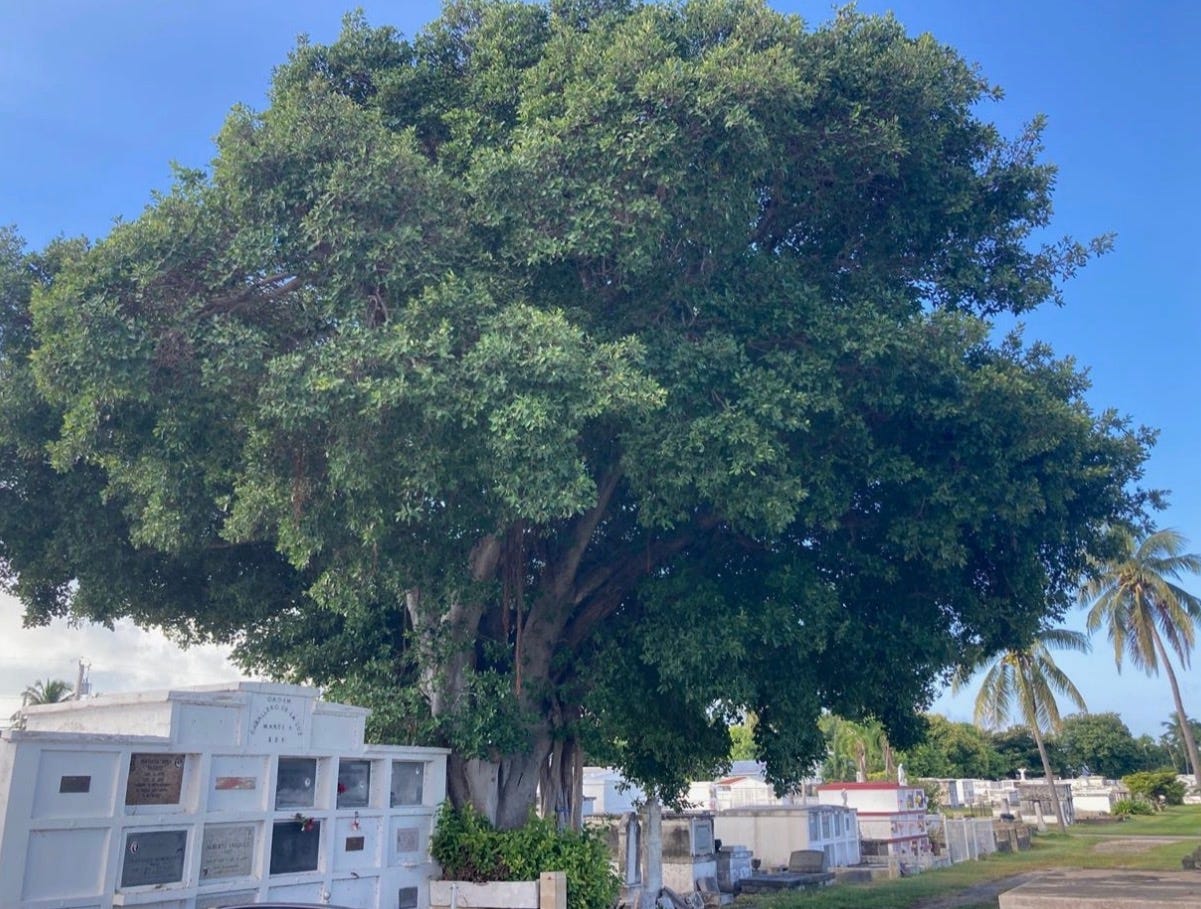
Opponents of the removal warn that cutting down the massive trees could cause more harm than good, disturbing fragile historic plots and desecrating graves that have settled undisturbed for more than a century.
Some critics suspect that removing the figs could open the door for new burials or plot sales, raising long-standing fears about how the cemetery is managed.
Because land is at such a premium in Key West, the city has long relied on the uncommon practice of “stacking” burials — interring family members vertically on top of one another within the same plot, or building above-ground concrete mausoleums when space runs out.
It’s a method rarely seen elsewhere in the United States but common in densely populated developing nations where burial land is scarce.
Over generations, this vertical layering has created a complex and fragile patchwork of graves, markers, and vaults — a resting place unlike any other in America.
Yet in recent years, descendants have arrived to find family plots disturbed, markers shifted, and even graves erased entirely.
“The figs aren’t the problem,” one volunteer said. “They’re what’s holding this place together. What’s destroying it is neglect — and the quiet erasure of the families who built it.”
City Defends Its Position
City officials maintain the figs are not preserving history — they’re undermining it.
Both trees received a zero-percent location value, indicating they are inappropriate for the site. Officials have pledged to replace them with nearly 90 caliper inches of new trees planted elsewhere.
“The recommendation isn’t made lightly,” Mayle said. “But we have a responsibility to preserve the dignity of our cemetery and protect public health.”
Roots of a Larger Struggle
For many, the debate over the strangler figs reflects a deeper struggle over Key West’s identity — whether the island’s legacy will be defined by art, memory, and nature, or by rules, reports, and redevelopment.
Until the Tree Commission reconvenes, the strangler figs remain — their roots tangled in marble and memory, their branches shading generations of Conchs — silent witnesses to a city still deciding how to care for its dead.
Ed. Note: Above the Fold continues to investigate the growing controversy surrounding the Key West Cemetery and will provide updates as new information becomes available.
If you look at the back ground photos on the cities website it is obvious that these trees are tearing up graves! No one doubts that they are beautiful trees but would you allow them to tear up your families graves??? New trees can be planted in areas that graves will not be disturbed
The cemetery needs MORE trees, not to cut down any of the few trees it has. Dead people are already dead. If their tombs are invaded by roots honestly that’s nature’s way.