

OPINION: Wednesday’s Cruise Ship Vote Meant Absolutely Nothing
Three candidates showed they are doing the peoples work. Three others showed that they are bowing to the pressure of campaign donations — and want cruise ships back. One is clearly on the fence.
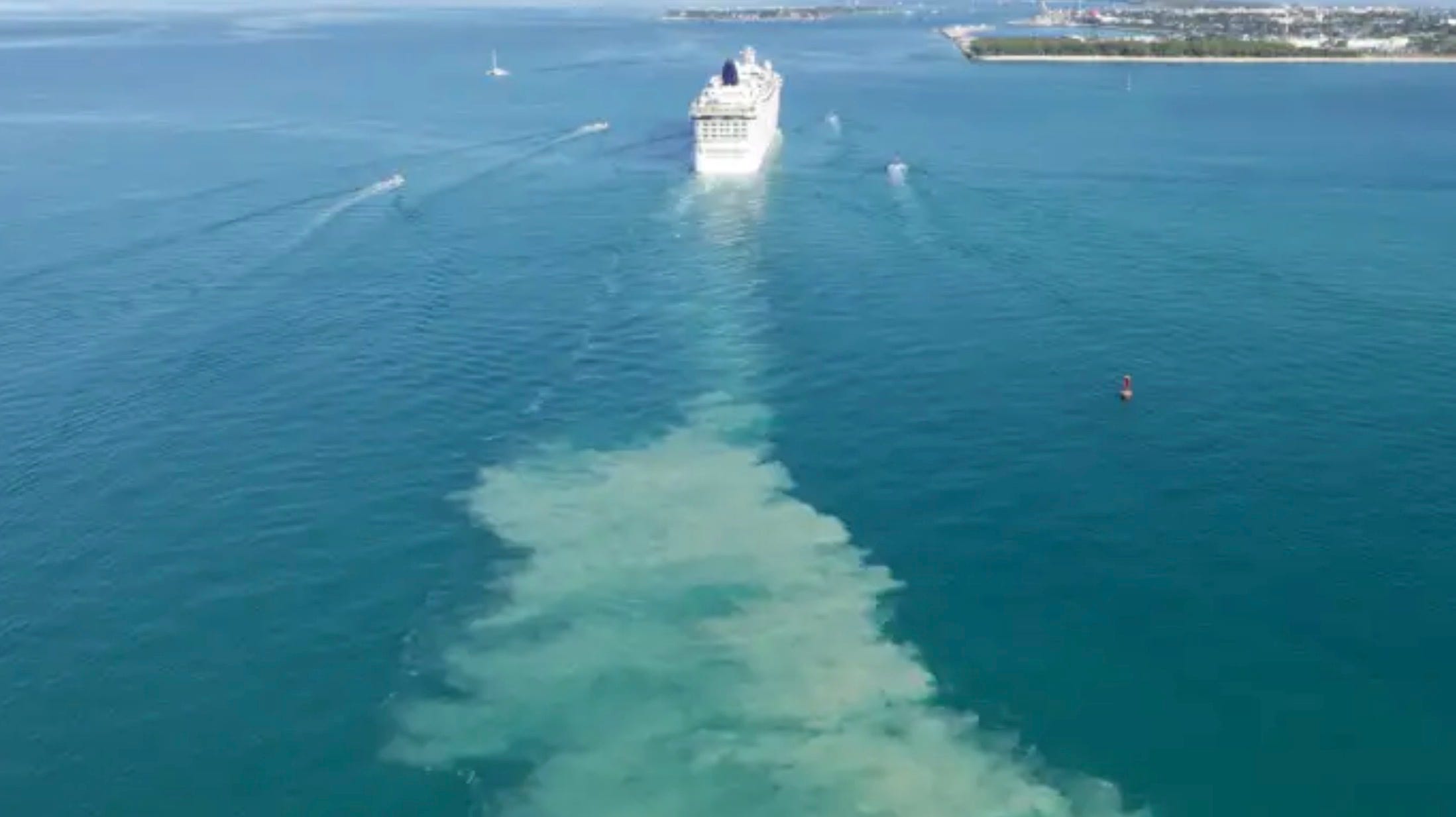
There was plenty of applause Wednesday.
Plenty of speeches.
Plenty of politicians congratulating themselves.
And when it was over, exactly nothing had changed.
Not one cruise ship turned around.
Not one passenger canceled a reservation.
Not one state law disappeared.
Not one judge changed a ruling.
The tide didn’t notice.
The City of Key West woke up Thursday under the same laws it went to bed with Tuesday.
But Commissioner Sam Kaufman did accomplish one thing.
He made everyone show where they stand.
Kaufman, Greg Veliz and Monica Haskell voted to recognize what Key West voters said loud and clear in 2020: the island has had enough of giant cruise ships.
Donie Lee landed somewhere in the middle.


Then there were Lissette Carey and Aaron Castillo.
Their votes told you everything you need to know.
If there was ever any doubt where they stand on bringing back bigger ships, there isn’t anymore.
The mayor’s performance was even more interesting.
Danise Henriquez voted for the resolution, then spent several minutes explaining why she didn’t really agree with it.
That’s a neat trick.
Especially for someone whose last campaign finance report included about $11,000 from the Walsh family connected to Pier B.
She voted for it.
Then apologized for voting for it.
Only in politics does that make sense.
Years ago, Henriquez sold $8 chocolate-covered strawberries to cruise passengers at Kilwins on Duval Street.
Now she’s trying to convince voters she isn’t tied to the cruise industry.
Life comes at you fast.
Let’s be honest about what happened Wednesday.
The commission didn’t change policy.
They couldn’t. And if they could have, they would have.
And that is the bidding of Pier B, Historic Tours of America and other tourism conglomerates.
Tallahassee already took that power away.
The courts upheld it.
This resolution was never going to stop a ship.
It was simply a reminder that more than 80 percent of Key West voters once said they wanted limits on the largest cruise ships.
That’s all.
Nothing more.
Nothing less.
Kaufman probably summed it up best.
“When people are saying this is being done for political purposes, maybe they are right,” he said. “Anybody that says this resolution was anti-Navy, they are wrong.”
Kaufman is right.
This wasn’t about the Navy.
It wasn’t even really about cruise ships.
It was about whether elected officials still feel obligated to represent the people who elected them.
Cruise supporters say the ships create jobs.
Several of the new candidates, most notably District II’s Mark Rossi, District IV’s Juan Llera and District V candidate Greg Sullivan are all Chamber darlings. They are going to have to answer the cruise ships question sooner than later.
Critics say cruise ships dump thousands of day-trippers onto an island that has already reached its breaking point.
Maybe they’re tourists.
Maybe they’re floating ATMs.
Maybe they’re floating garbage barges.
Depends on who you ask.
Either way, the next ship is still coming.
Thousands of passengers will still pour onto Duval Street.
They will buy 1.5 t-shirts, two cocktails and flush our toilets three times.
Traffic will still back up.
The sidewalks will still be packed.
Nothing changed.
The only thing Wednesday’s vote really accomplished was exposing who still believes the voters mattered in 2020—and who believes Tallahassee, campaign donors and the cruise industry matter more.
Here’s something worth thinking about.
When elected officials vote the way the people ask them to vote, that’s representation.
When they vote based on how they feel, or based on who finances their campaigns, that’s ruling.
There is a difference.
On Aug. 18, the voters will decide whether they like being represented.
Or ruled.
Ed. Note: To keep up with this issue, please check out Safer, Cleaner Ships.
Ted is right about one thing: this vote wasn't going to stop a single cruise ship.
What it did do was show where our elected officials stand. The resolution simply reaffirmed the City's longstanding One Ship Policy and asked the Navy to voluntarily consider the wishes of Key West voters.
Now the voters know who supported that request—and who didn't. That's what representative government is all about.
Hear, hear!