


Tourism data presented by the Key West Chamber of Commerce paints a picture of a visitor economy that remains strong on paper while raising new questions about infrastructure strain, uneven economic benefits and the long-term direction of the island’s tourism strategy.
According to the chamber’s February 2026 tourism report, hotel occupancy in Key West hovered in the low-80 percent range, while the island’s average daily room rate approached $430 to $450 per night, among the highest in Florida.
Those elevated rates produced revenue per available room exceeding $350, a metric often used by the hospitality industry to measure profitability.
But the numbers also highlight a widening gap between tourism indicators and the broader local economy.
While hotel performance remains strong, some restaurants, retail stores and service businesses have reported slower sales and reduced foot traffic during portions of the season, suggesting the benefits of tourism may not be reaching all sectors equally.
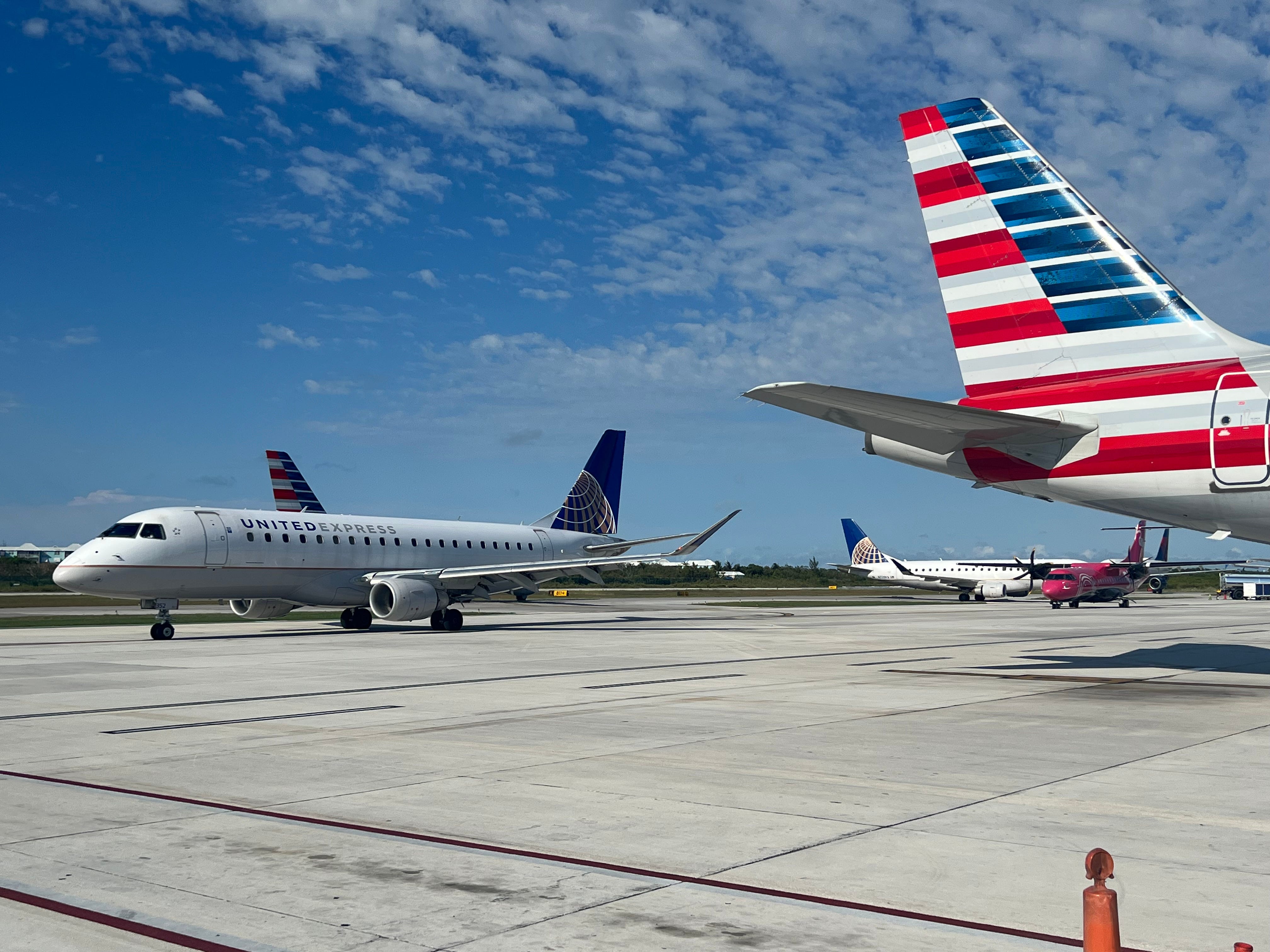
Air travel has also surged following the terminal expansion at Key West International Airport. Passenger totals during peak winter months have averaged roughly 80,000 to 85,000 travelers per month, setting new records for the facility and further increasing the flow of visitors to the island.
The airport itself is governed by the Monroe County Board of County Commissioners, with internal public safety services provided by the Monroe County Sheriff’s Office and Monroe County Fire Rescue.
Once travelers leave the terminal, however, they rely on roads, sanitation, police protection, fire response, utilities and other municipal services funded and operated by the city of Key West.
Local officials note that the city receives no direct financial benefit from airport operations, despite absorbing many of the service costs associated with the growing number of visitors once they leave the airport.
Critics say that imbalance effectively leaves the city responsible for much of the infrastructure burden created by rising passenger traffic while the revenues associated with airport operations remain under county control.
Local observers also note that the influx of airline passengers places a strain on city infrastructure similar to the three- and four-ship cruise days that once brought thousands of cruise passengers into the island at a time.
Those peak cruise days were widely criticized in the past for overwhelming streets and harbor facilities while contributing to declines in nearshore water quality, particularly through turbidity associated with large vessel traffic and harbor disturbance.
City leaders and environmental advocates say the current surge in airline arrivals raises similar concerns about the carrying capacity of a small island community already grappling with housing shortages, traffic congestion and aging infrastructure.
Much of the airport’s recent growth — including the terminal expansion that allows larger passenger volumes — has been supported through federal and state grants secured through congressional appropriations in recent years.
The broader Florida Keys tourism economy continues to generate roughly $3.5 billion annually in visitor spending, supporting hotels, restaurants, charter operations and retail businesses across the island chain.
Yet the evolving tourism mix continues to intersect with a longstanding political debate over cruise ships and the future direction of the island’s visitor economy.
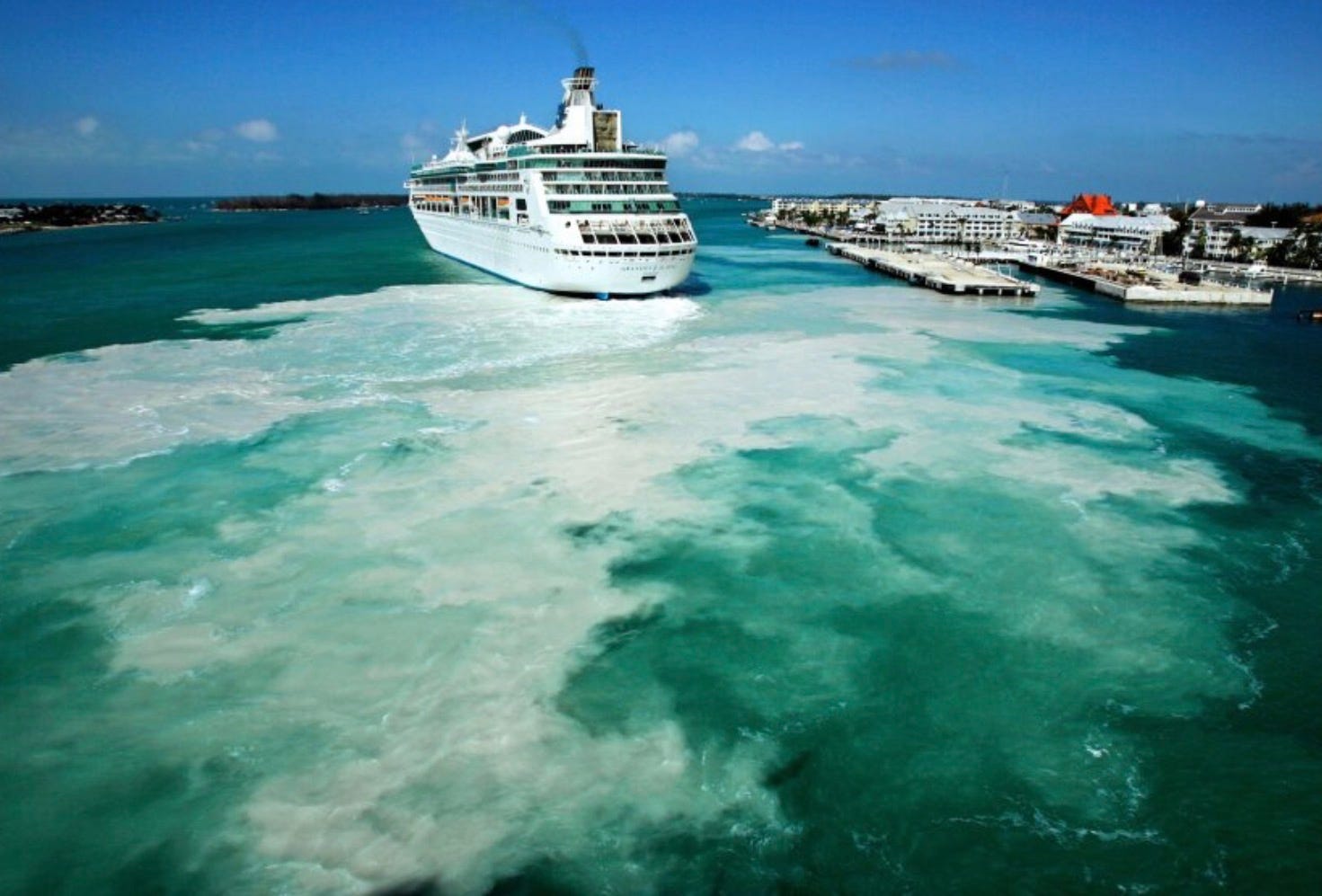
Prior to the pandemic and the city’s cruise ship referendum fight, Key West regularly saw more than 900,000 cruise passengers annually. More recent totals have dropped closer to 300,000 to 400,000 passengers per year, depending on cruise itineraries.
In recent years, city voters approved a series of ballot initiatives intended to restrict large cruise ships, cap daily passenger arrivals and prioritize smaller vessels with stronger environmental standards.
Despite those voter-approved limits, a growing movement among some chamber leaders and tourism advocates has begun quietly pushing for policies that would allow the return of multiple large cruise ships per day, arguing that the island’s businesses depend on higher visitor volumes.
Supporters of the referendum measures say those efforts run counter to the will of voters and warn that restoring daily large-ship traffic could once again produce the crowded harbor conditions, environmental impacts and infrastructure strain that drove the referendum campaigns in the first place.
For city leaders and tourism officials alike, the latest tourism numbers highlight a central question facing Key West: whether record visitation represents sustainable economic strength or a warning sign that the island’s infrastructure and environment are approaching their limits and again straining resident’s quality of life.
It would be interesting to know if the number of overnight visitors is growing and if so by how much? I'd contend that airport arriving visitors are just the kind of visitors this island needs. They don't bring cars and spend more money. When they bring vehicles THAT is when they really overburden the infrastructure. I need to update this article with more recent data but believe the general gist still stands. https://carfreecities.com/2021/09/24/streets-for-people-airport-expansion-means-fewer-cars-on-our-island/