


KEY WEST, Fla. — City commissioners will explore collecting sargassum before it reaches shore Tuesday, considering alternatives to beach cleanup as researchers warn of health risks, wildlife impacts and corrosion associated with decomposing seaweed.
The special meeting begins at 3 p.m. Sept. 22 at City Hall, 1300 White St. Mayor Sam Kaufman sponsored the discussion, which includes four presentations. The agenda lists no separate contract award or spending resolution.
“This was one of my promises during the campaign — that we would start trying to figure out ways to deal with this issue,” Kaufman told Above the Fold last week. “The sargassum season is just about over, but we have to look forward to next year and hopefully come up with a plan for residents, tourists and business owners to minimize the impacts.”
Harvesting Faces Regulatory Hurdles
Collecting floating sargassum would require overcoming existing restrictions. Federal regulations prohibit harvesting or possessing pelagic sargassum in or from South Atlantic federal waters south of 34 degrees north latitude.
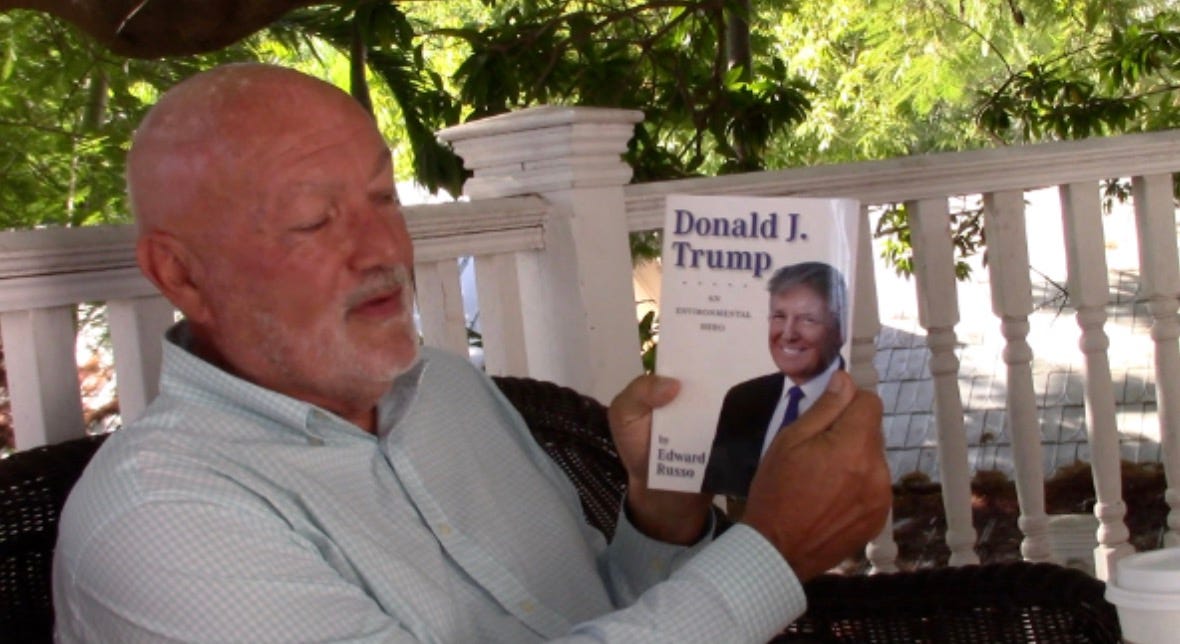
Former Key West resident Ed Russo, a longtime environmental adviser to President Donald Trump, is helping the city pursue the necessary authorizations for what could become Florida’s first project of its kind.
Trump selected Russo to lead an environmental advisory task force in 2025. Russo also co-founded RussKap Water, which developed machines that extract moisture from the air and treat it for drinking.
Health, Wildlife and Corrosion
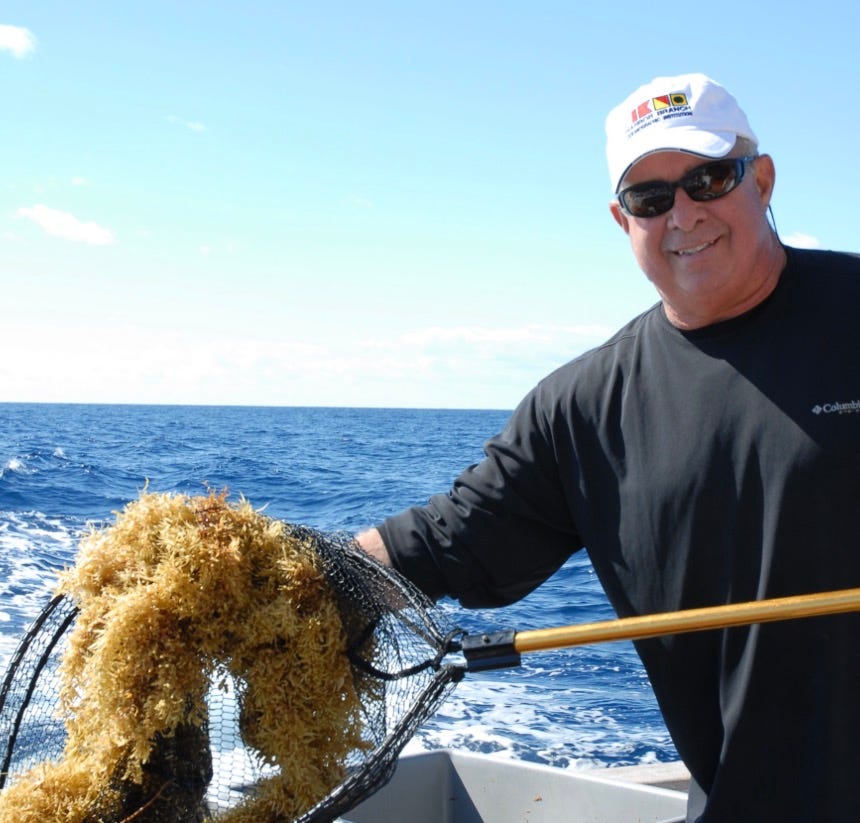
Florida Atlantic University researcher Brian Lapointe will present findings from Smathers Beach, Southernmost Point, Bahia Honda State Park and Harry Harris Park.
Lapointe is one of the world’s foremost authorities on sargassum — and has a home in the Lower Keys.
His presentation reports lower dissolved oxygen and pH near shore, with nutrient concentrations and turbidity generally declining farther offshore. Water-quality effects persisted after accumulations diminished.
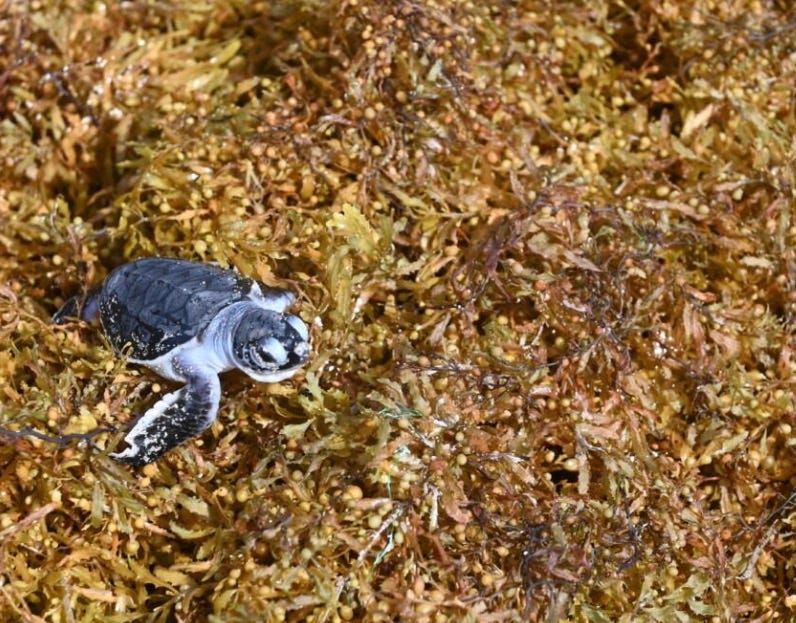
Floating sargassum provides habitat for fish, sea turtles and other organisms. Heavy coastal accumulations, however, can deplete oxygen, contribute to fish kills, smother habitat and release hydrogen sulfide, ammonia and methane as they decompose, according to the presentation.
Lapointe cites research linking sargassum-related hydrogen sulfide exposure to neurological, digestive and respiratory symptoms elsewhere. Those findings do not document Key West illnesses.
Other research cited in the presentation describes accelerated corrosion of carbon steel, zinc and copper under conditions involving hydrogen sulfide, humidity and salt, raising concerns about coastal infrastructure.
Beach-Cleaning Practices Questioned
Author, English professor and longtime Key West beachcomber Ashley Oliphant will examine mechanical cleaning’s effects on sand and wildlife.
Her presentation contrasts beach photographs with provisions attributed to a state permit prohibiting scraping or using buckets or scoops, limiting rake penetration to two inches and requiring equipment to remain at least 10 feet from native dune vegetation.
The slides raise compliance questions but do not establish a violation. They also emphasize stranded seaweed’s ecological value and potential impacts on sea turtles.
Collection and Processing Proposals
Golden Tides proposes studying an east-end floating barrier at Smathers Beach to concentrate sargassum for pumping ashore, dewatering and processing or disposal.
An initial engineering phase could lead to installation and a multiyear operating agreement. No prices are provided. The company identifies Lapointe as a partner, scientific lead and co-founder.
Mermaid Energy, led by founder and CEO Kristi Shaw, proposes a container-scale pilot processing one to two wet metric tons daily, potentially increasing to eight to 10.
Its longer-term vision includes ship-based production of renewable fuel blendstock, agricultural inputs and industrial materials. Those outputs remain projections.
Mermaid proposes redirecting existing cleanup spending, with costs negotiable. Both proposals leave questions about permits, wildlife safeguards, processing capacity and the city’s total financial commitment.
The Key West City Commission will meet Tuesday, Sept. 22 at 3 p.m. at Key West City Hall, 1300 White Street. The meeting will be streamed live on the City website.
