


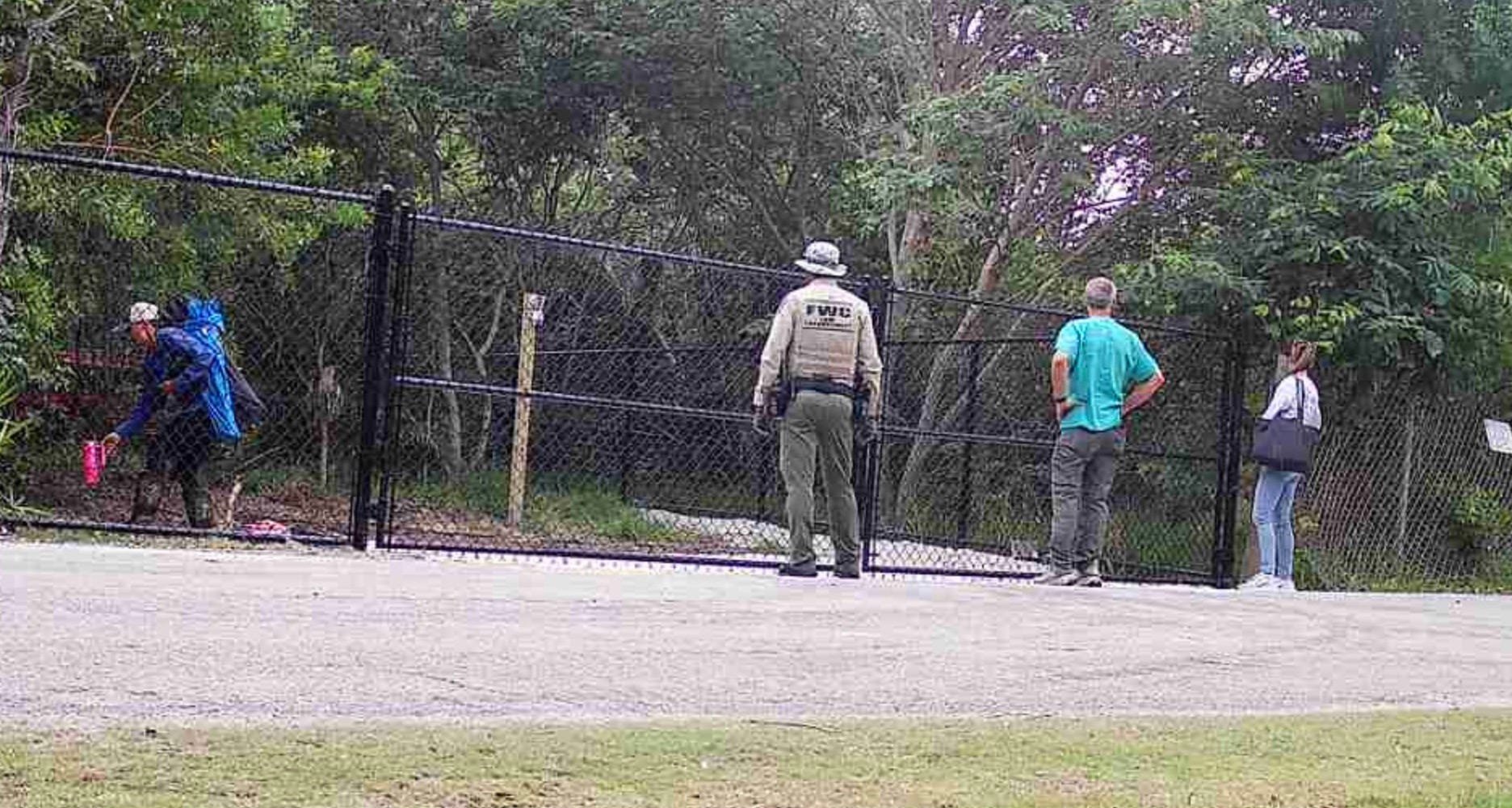
BIG PINE KEY, Fla. — A dispute over a small herd of endangered Key deer at the former Big Pine Key prison property intensified this week after an advocacy group accused the College of the Florida Keys and state and federal wildlife agencies of violating the federal Endangered Species Act by failing to release the animals before a self-imposed July 15 target.
Save Our Key Deer Inc. said Thursday that the deer remain trapped inside the fenced property despite earlier assurances they would be released by Wednesday.
The organization contends the continued confinement constitutes an unlawful “take” under the Federal Endangered Species Act and is calling on the College of the Florida Keys to immediately install a permanent wildlife passage allowing the deer to leave the property on their own.
“The time for delay is over,” the organization said in a statement.
The allegations come one day after the College of the Florida Keys issued its own update, saying it remains actively working with the U.S. Fish and Wildlife Service and the Florida Fish and Wildlife Conservation Commission to safely remove the deer while prioritizing their welfare.
Wednesday’s liberation failure was blamed on “rain,” although a neighbor close to the property said that part of Big Pine had experienced no rain.
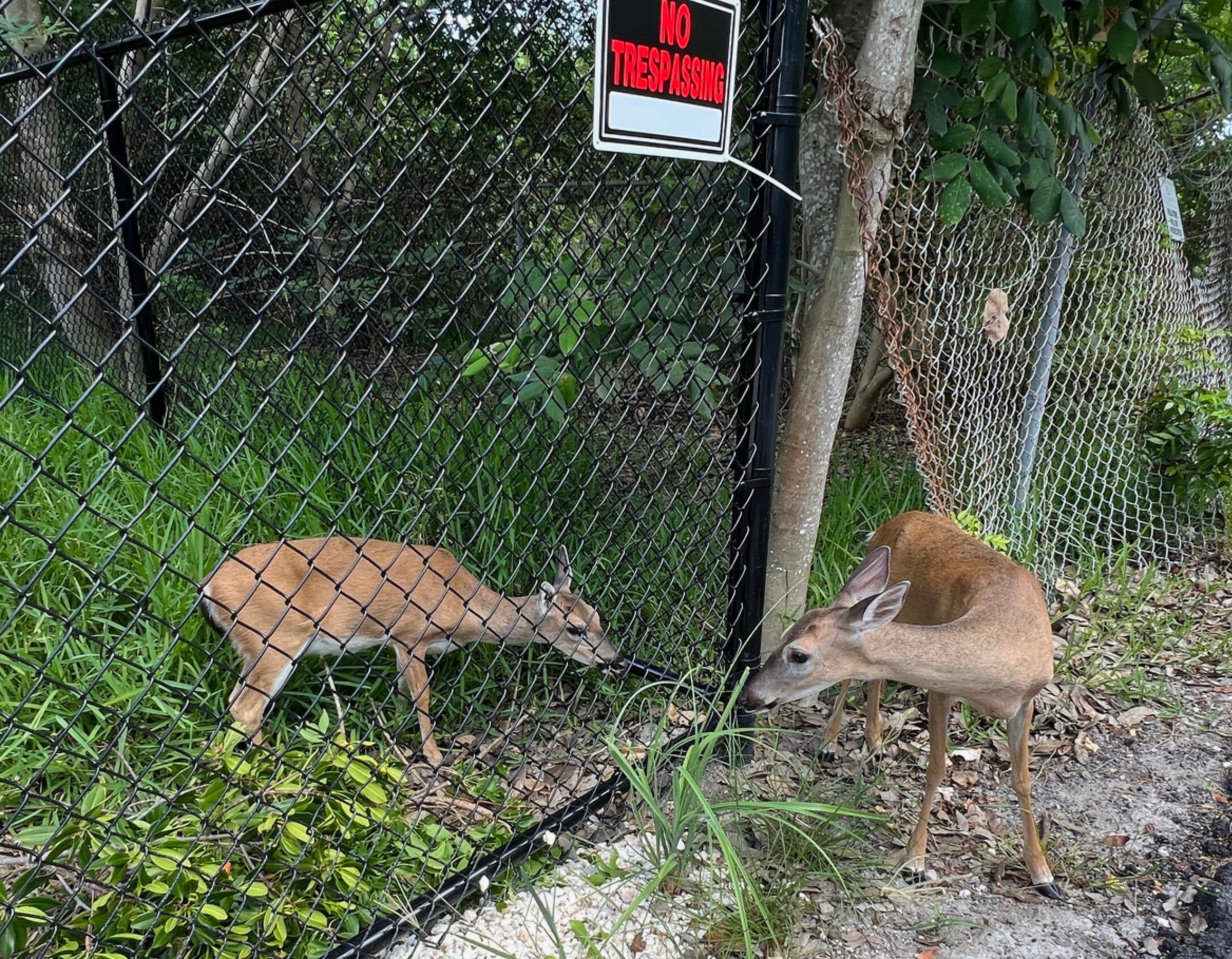
According to the college, federal wildlife officials have monitored the herd since January, with formal removal planning beginning in March. Officials said the operation was intentionally delayed until a resident fawn reached approximately 4 months of age to improve its chances of safely leaving the property with the adult deer.
The college said wildlife professionals and cooperating veterinarians have consistently determined the deer remain healthy and have adequate food and fresh water.
“I’ve examined the deer intermittently throughout their confinement at the old prison site,” veterinarian Dr. Douglas Mader said in the college’s statement. “On each occasion I noted that all the deer appeared to be in excellent health. There was ample food and fresh water available to them at all times.
“There is an older fawn present with four adults, and the fawn also is in excellent condition and eating well on its own.”
Save Our Key Deer disputes the handling of the situation, arguing officials missed an opportunity to release the animals before the doe gave birth and have instead prolonged their confinement.
The disagreement centers on a July 10 release attempt led by the U.S. Fish and Wildlife Service with assistance from the college, FWC and volunteers.
According to Save Our Key Deer, security cameras recorded volunteers attempting to herd the deer through a newly installed gate using brooms and sticks before abandoning the effort after about two hours.
The organization said it repeatedly urged officials to instead lure the deer with native vegetation, calling that a more humane and effective approach.
The college described the same operation somewhat differently.
According to CFK, trained volunteers and wildlife professionals traversed the densely vegetated 10-acre property in an effort to guide the deer through the new rear gate into surrounding habitat. Officials said thick brush, poisonwood, rain and the animals’ instinct to seek cover complicated the effort.
Although no deer left the property, wildlife officials said the operation provided valuable information that will help refine future removal efforts.
“Removing the Key deer from the 10-acre property, which is covered in dense vegetation, is a unique and complex task,” said Kevin Kalasz, coordinator of the joint U.S. Fish and Wildlife Service and Florida Fish and Wildlife Conservation Commission Key Deer Research and Response Program. “We are prioritizing tactics that are gentle and minimize stress on the deer.”
Nikki Colangelo, manager of the U.S. Fish and Wildlife Service’s Florida Ecological Services Field Office Division of Classification and Recovery, said crews remain committed to safely completing the operation.
“The deer remain healthy, and we will continue to monitor them until they are removed,” Colangelo said.
Save Our Key Deer, however, argues the situation has worsened since the failed release attempt.
The organization said gaps beneath the perimeter fence have since been filled with gravel, preventing even the smallest deer from escaping naturally.
“This documented confinement is a clear violation of the Endangered Species Act, which strictly prohibits the harassment, harm or trapping of endangered species,” said Valerie Preziosi, president of Save Our Key Deer and an International Wildlife Rehabilitation Council-certified wildlife rehabilitator. “We pleaded for action before the pregnant doe gave birth, but bureaucratic delays and faulty expert advice have put these animals at even greater risk.”
The college said reinforcing the fence was necessary after repeated acts of vandalism. According to CFK, the property’s gate and lock were damaged twice and portions of the rear fence were vandalized earlier this month. The Florida Fish and Wildlife Conservation Commission and the Monroe County Sheriff’s Office are investigating.
CFK said it has since repaired the gate, installed security cameras, replaced locks and reinforced portions of the fence with rock.
The college also emphasized that the former prison property contains 16 deteriorating buildings and must remain secured to protect public safety while redevelopment plans move forward. CFK has leased the state-owned property since 2021 for future educational and workforce training opportunities including a wildly unpopular commercial truck driving school that appears to have been temporarily sidelined.
Save Our Key Deer continues to urge the college to install a permanent wildlife passage that would allow deer to move freely between the property and surrounding habitat while using cameras to ensure only wildlife utilize the opening.
The College of the Florida Keys said it will provide another public update once the deer have been successfully removed.
This is an evolving story. Watch this space.