


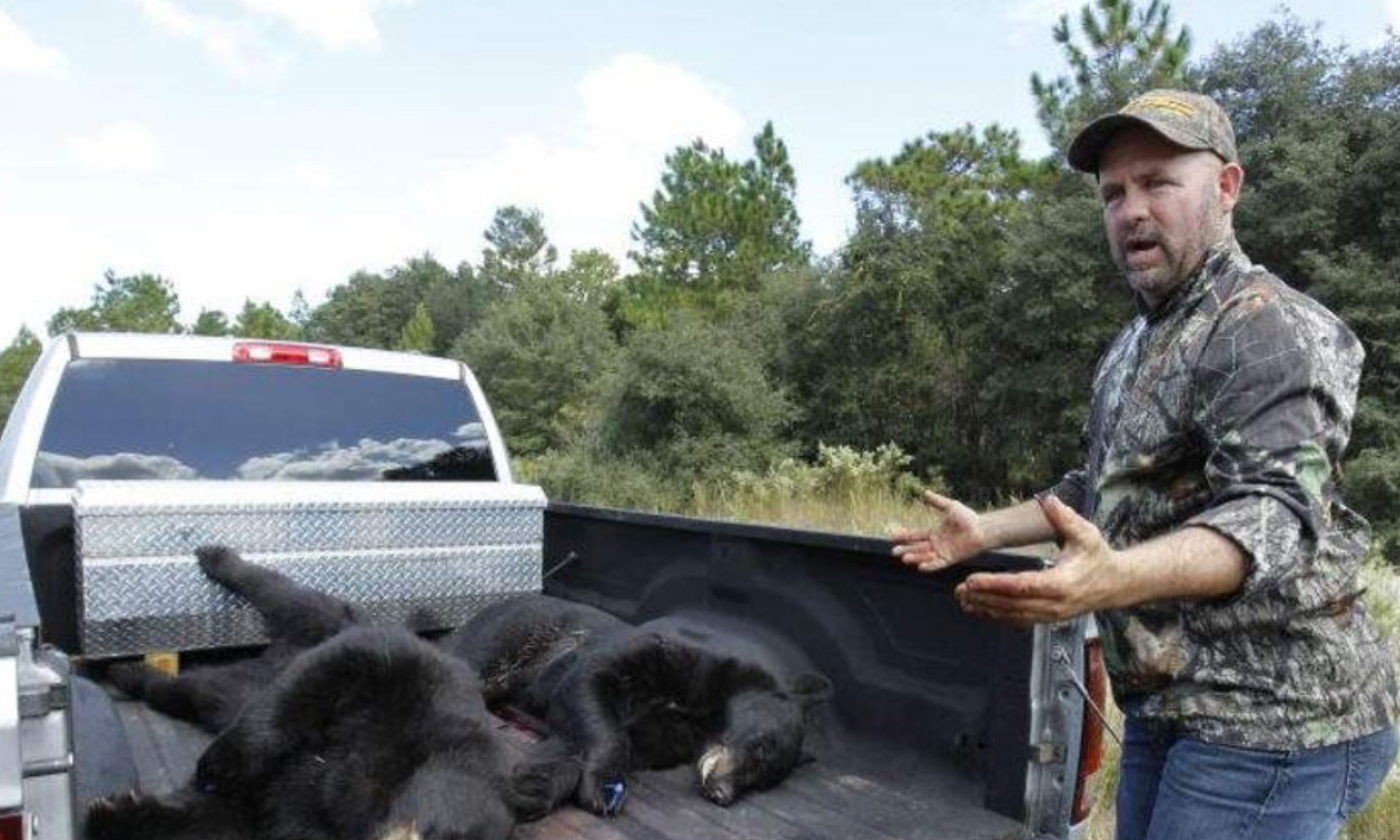
Opponents of Florida’s upcoming black bear hunt are embracing an unusual form of protest: buying hunting licenses and applying for permits, not to use them, but to keep bears alive.
The Florida Fish and Wildlife Conservation Commission (FWC) opened its lottery Friday for the state’s first bear hunt in a decade.
A total of 187 permits will be issued. Critics, including conservationists and animal-rights advocates, say they’re flooding the system with applications in hopes of reducing the number of active hunters.
“Every permit not used is one less bear killed,” said Susan Hargreaves, founder of Animal Hero Kids. “It’s a way for Floridians to speak up for wildlife when other avenues seem closed.”
Opponents Cite Flawed Data and Bigger Threats
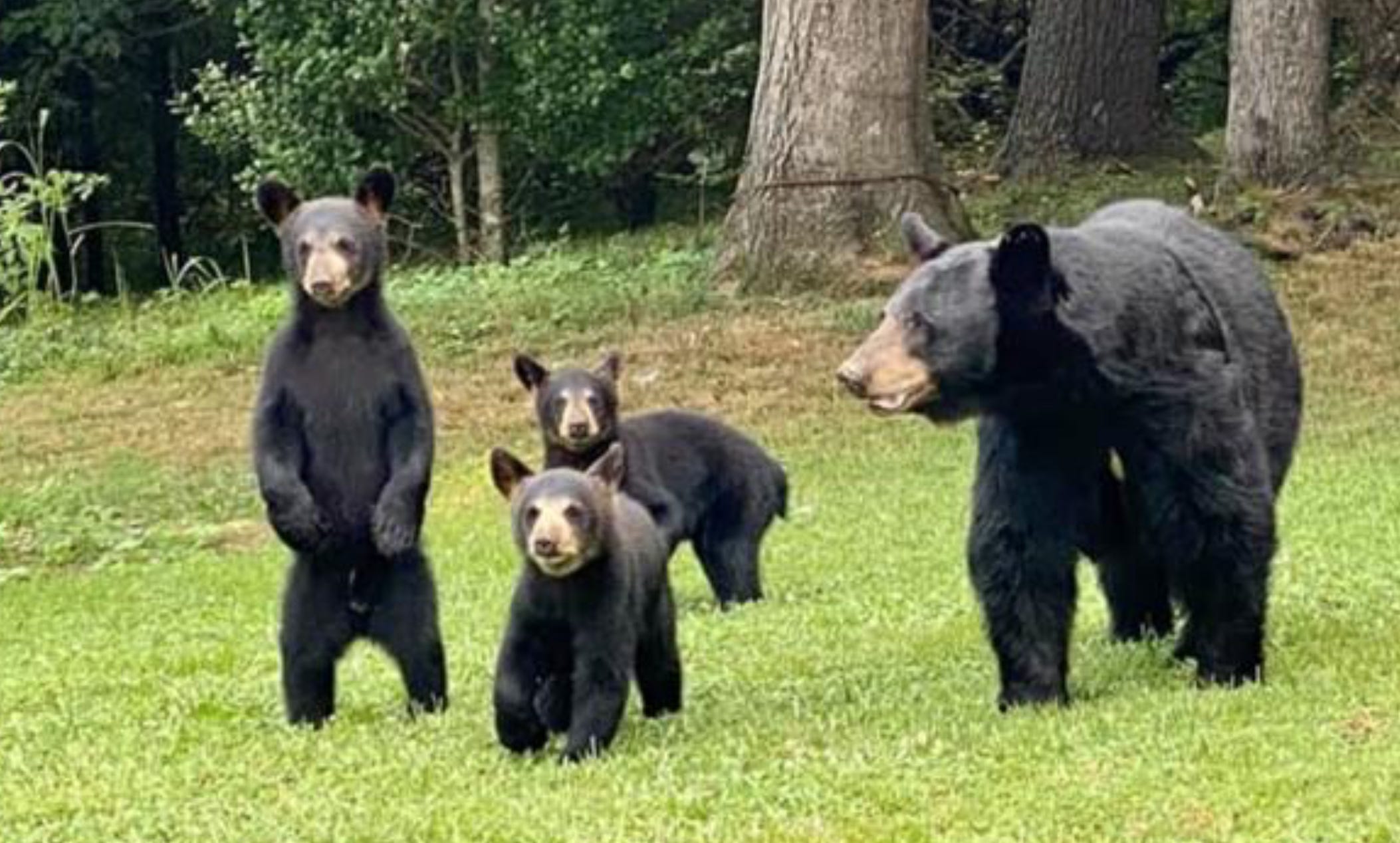
The FWC cites increasing bear-human encounters as justification, but opponents argue the science is outdated. The last population survey was conducted in 2015, when officials estimated about 4,350 black bears statewide.
To critics, the real danger to Florida’s bears isn’t overpopulation but loss of habitat. Bears depend on large, unbroken forests, yet development continues to carve up woodlands across the state, forcing bears into neighborhoods in search of food.
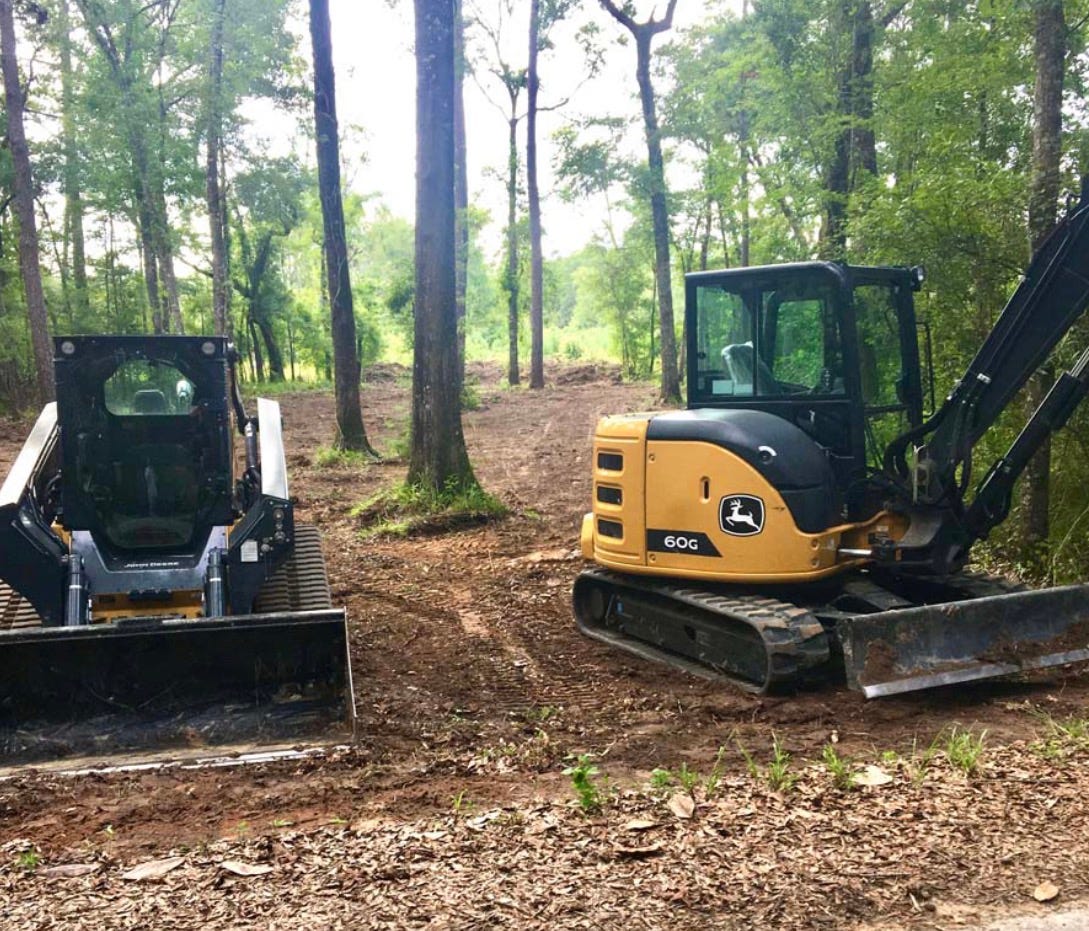
Florida loses an estimated 60,000 acres of habitat each year to development. State projections warn that as much as 7 million acres of rural and natural lands could vanish by 2060, including more than 1.6 million acres of woodland habitat. Already, bears survive in less than half of their historic range, isolated in fragmented patches from the Panhandle to the Everglades.
“The greatest threat to bears is bulldozers, not bears themselves,” Hargreaves said. “If we don’t protect the forests, no amount of hunting regulation will matter.”
A History of Recovery — and Controversy
Florida’s black bears were once on the brink of disappearance, with populations plunging to around 300 animals in the 1970s. Conservation measures, hunting bans and habitat protection programs helped them rebound to more than 4,000 by 2015.
That same year, the FWC authorized the first bear hunt in decades. Billed as a week-long event, it was cut short after just two days when hunters killed 304 bears, including lactating females. The abrupt end fueled public outrage and set the stage for a continuing debate over whether the species should ever be hunted again.
“This is about protecting a keystone species in Florida’s wildlands,” said Chuck O’Neil of Speak Up Wekiva, a group suing to block the hunt. “We should be safeguarding their habitat from sprawl and highways, not repeating the mistakes of 2015.”
At a Glance: 2025 Hunt
Permit lottery: Sept. 12–22; $5 per application.
Total permits: 187; $100 for residents, $300 for nonresidents.
Season dates: Dec. 6–28, in four management zones.
Restrictions: Cubs and females with cubs off-limits.
History: Populations rebounded from ~300 in the 1970s to over 4,000 by 2015; last hunt ended early after 304 bears killed.
Bigger picture: Opponents point to rapid loss of Florida forests to development as the more pressing threat.
Looking Ahead
Whether the strategy of “buying to save” will reduce harvest numbers remains uncertain. But for opponents, the push is as much about symbolism as statistics.
“The bear represents Florida’s wildness,” O’Neil said. “If citizens are willing to spend money just to keep one alive, that should tell state leaders where public opinion truly lies. Hunting doesn’t solve habitat loss — and without habitat, the bears have no future.”
What is the population trends now? What is the estimated abundance at their recent peak vs. 1960? 1950? How many are considered excess population?