


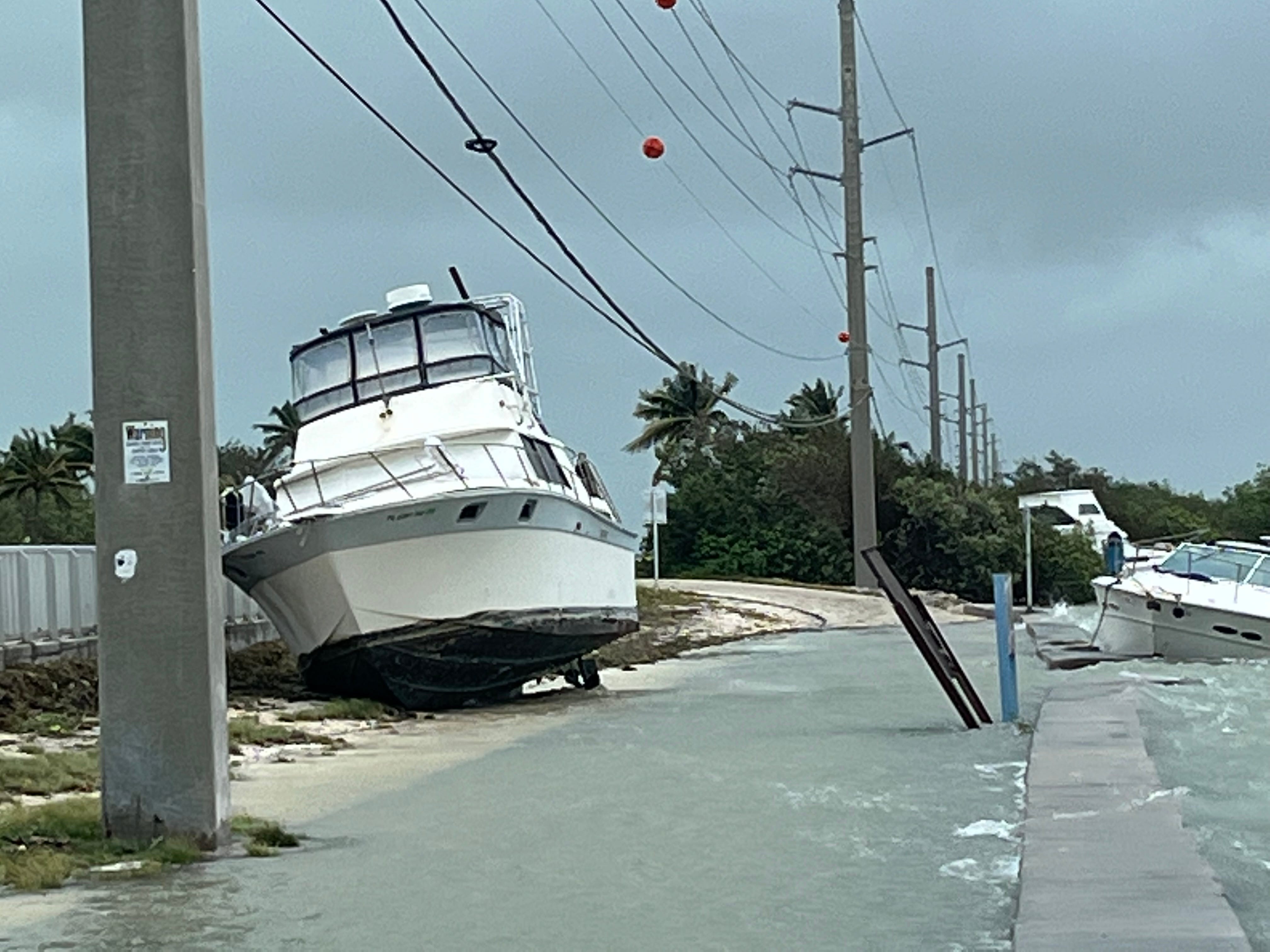
Rising seas, stronger storms, and warming oceans tied to climate change are threatening Monroe County and its island communities, while Florida’s commercial and recreational fishing industries report economic and ecological impacts statewide.
With more than 99% of its land area at or below 5 feet above sea level, the Keys face some of the highest risks in the nation from sea level rise, according to NOAA. Projections show waters could rise more than 1 foot by 2050, flooding roads, homes, and infrastructure.
“The water is coming and we can’t stop it,” Then Monroe County Mayor Michelle Coldiron told The Guardian in 2021. “Some homes will have to be elevated, some will have to be bought out. It’s very difficult to have these conversations with homeowners, because this is where they live. It can get very emotional.”
Offshore, rising sea temperatures are bleaching coral reefs, a natural buffer against storm surge and a key tourism draw. NOAA and The Nature Conservancy warned that “climate change will profoundly affect the Florida Keys through sea-level rise, increased ocean temperatures, and ocean acidification,” impacting coral reefs, mangroves, and seagrass that support fisheries.
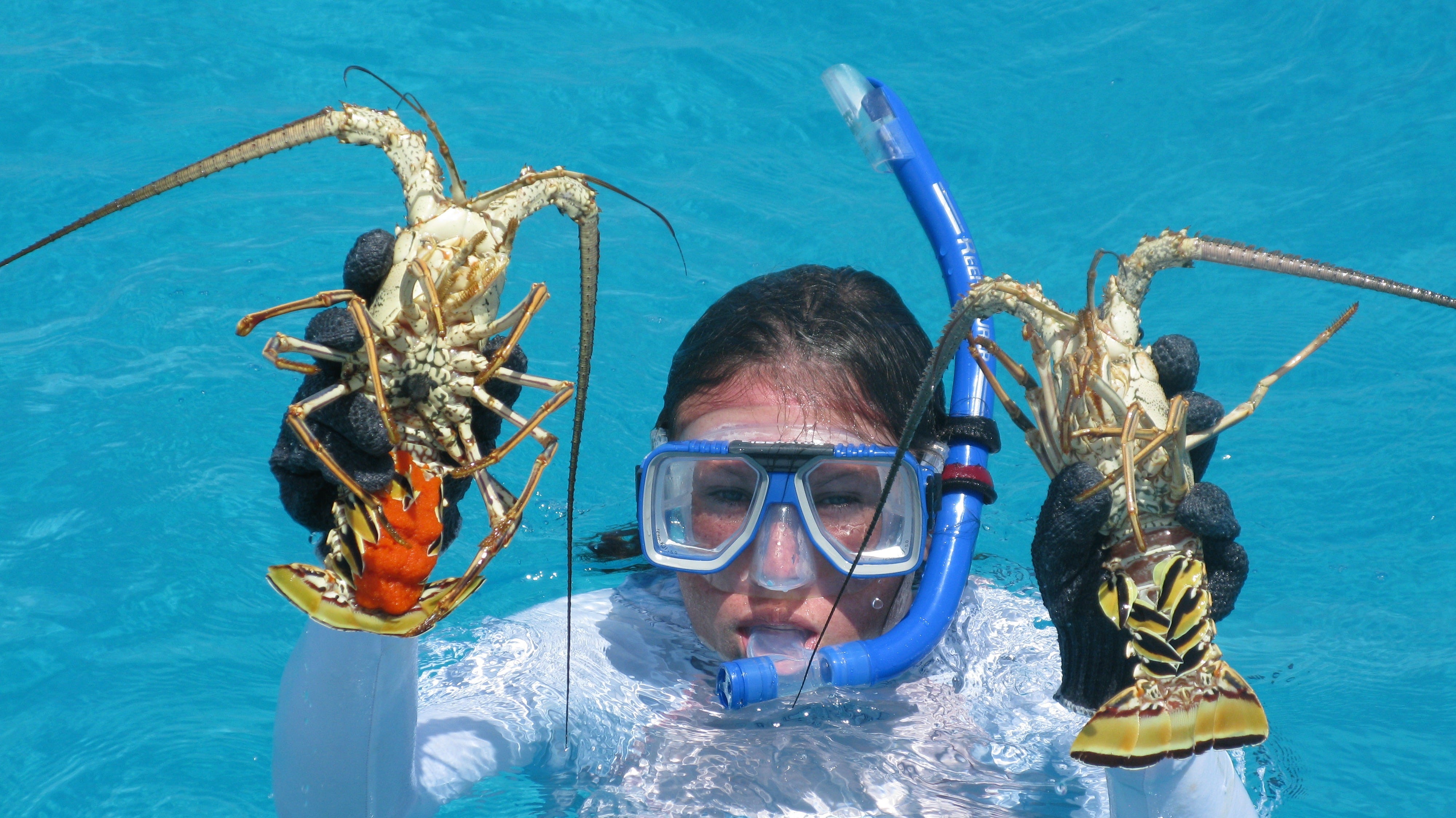
Local fishermen are already feeling the strain. Monroe County Fishermen, Inc. told Congress, “Climate change and ocean acidification are additional stressors affecting water quality and fisheries. These changes threaten the long-term viability of the commercial fishing industry in the Florida Keys.”
The economic stakes are high. Monroe County’s commercial fishing industry generates nearly $900 million annually, while recreational fishing contributes millions more through charter boats and tourism. Statewide, Florida fishermen landed 96.2 million pounds of seafood in 2023, worth $286.5 million dockside, supporting thousands of jobs. “Commercial fishing is vital to Florida’s culture and identity,” said Glen Brooks, a Florida fisherman. “The economic impact ripples up the supply chain, generating $8.7 billion in total.”
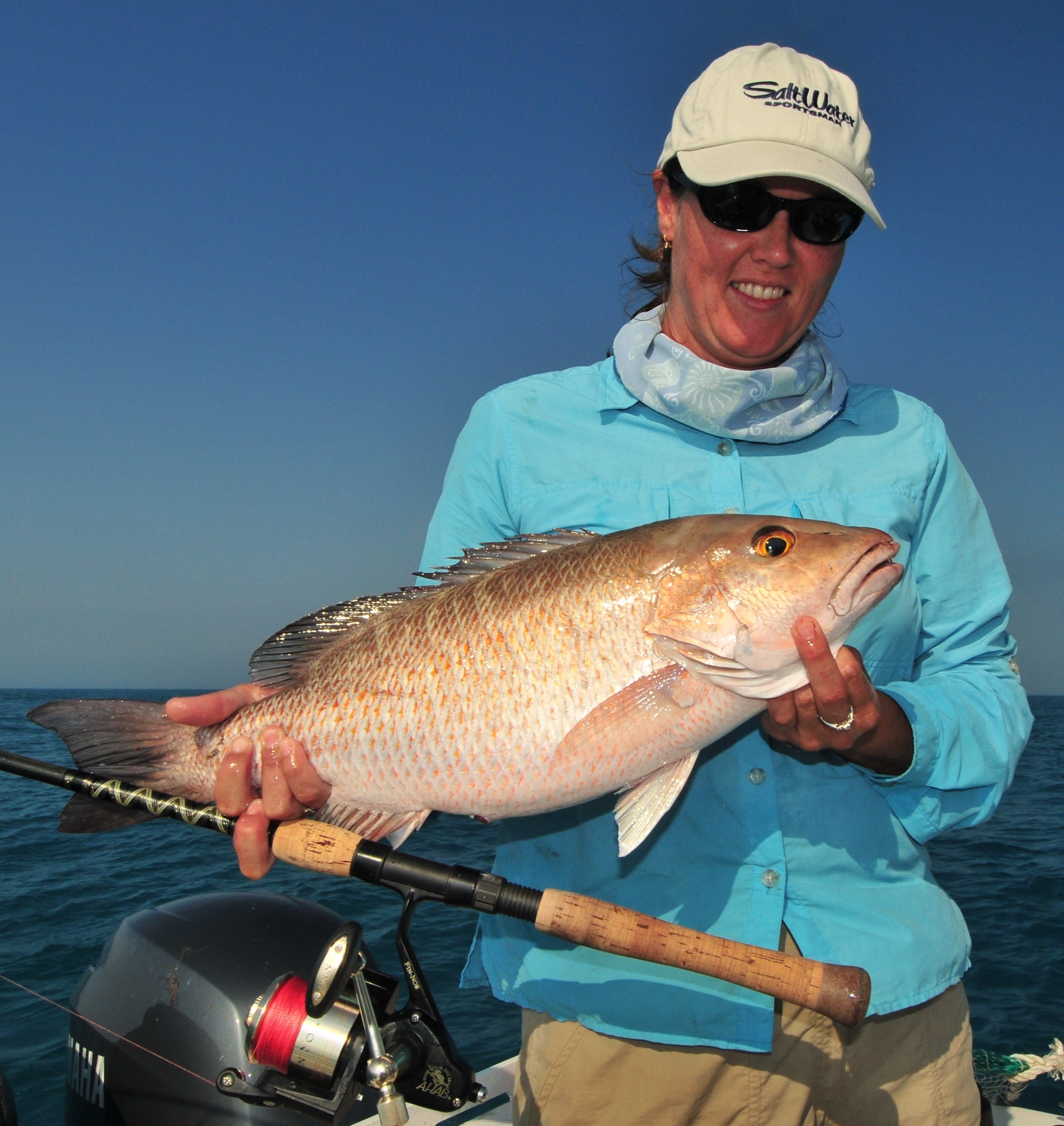
Recreational fishing also drives the economy. Florida’s recreational fishing industry contributes roughly $8.3 billion per year, but anglers report changes in fish distributions tied to warmer, less oxygenated waters.
The Keys’ coral reefs, the largest living reef system in North America, are particularly vulnerable. NOAA scientists reported record hot seawater killed over 75% of cultivated coral in the Keys, complicating restoration efforts. Warmer waters are also pushing snapper, grouper, and lobster populations offshore or northward, reducing local catches.
On land, Monroe County estimates billions of dollars are needed to elevate roads and protect neighborhoods over the coming decades. State and federal funding has begun to flow, but officials say it is only a fraction of what will be required.
“With Irma, there was so much flooding from storm surge — so much property damage and impact on natural areas — that it was like a sudden preview of what sea-level rise could do to the Keys,” said Chris Bergh, The Nature Conservancy’s Florida field program director.
Despite the challenges, local leaders are committed to preserving the island way of life. Monroe County has launched resilience projects, from mangrove restoration to seawall reinforcements, while Key West has adopted a long-term adaptation plan.
“Monroe County is ground zero for experiencing the impacts of global climate change and sea-level rise,” the county said in its sustainability plan.
Economic Snapshot
Monroe County commercial fishing: ~$900 million annually
Recreational spiny lobster fishing (2001): $26.4 million in sales, $8.4 million in income
Florida commercial seafood landings (2023): 96.2 million pounds, $286.5 million dockside
Total economic impact of commercial fishing statewide: ~$8.7 billion
Recreational fishing statewide: ~$8.3 billion annually
Key Threats: Rising seas, ocean warming, coral bleaching, shifts in fish populations.
Sources: NOAA, The Nature Conservancy, Monroe County Fishermen, Inc., Florida Department of Agriculture and Consumer Services, NRDC, Miami Herald