

BREAKING: Key Deer Release Delayed After CFK Vice President Rejects Board-backed Rescue Plan
College administrator overrides wildlife passage strategy announced by trustees as leadership questions swirl around presidency.Key deer expected to remain trapped for at least two more weeks.

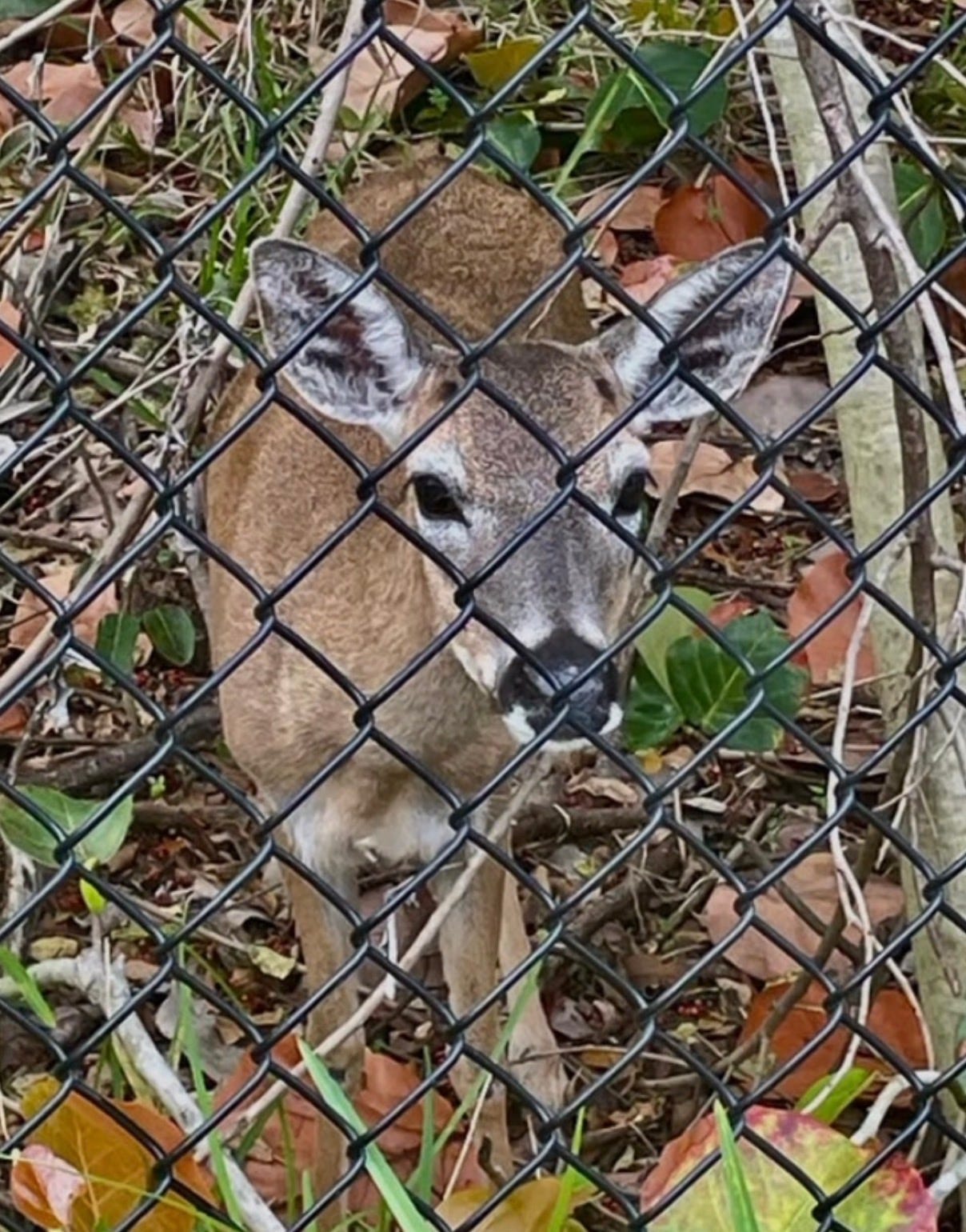
BIG PINE KEY, Fla. — A plan publicly announced this week by the College of the Florida Keys Board of Trustees to release a group of endangered Key deer trapped for months on the college’s former prison property has been put on hold after a senior college administrator rejected a proposal for temporary wildlife passageways, according to wildlife advocates.
The latest development comes less than 24 hours after Board Chair Alexandria Suarez informed Save Our Key Deer that trustees had decided to release the animals and ask the U.S. Fish and Wildlife Service for assistance, a decision advocates described as a major victory after months of public pressure.

On Friday, however, Save Our Key Deer Executive Director Valerie Preziosi said College of the Florida Keys Vice President Brittany Snyder informed the organization that temporary wildlife openings through the perimeter fence would not be allowed because of concerns about remaining hazards on the property, despite the group’s offer to pay for protective fencing around those areas.
Instead, Preziosi said Snyder told the organization that the U.S. Fish and Wildlife Service and the Florida Fish and Wildlife Conservation Commission now intend to release the trapped deer in approximately two weeks, citing the Independence Day holiday as the reason for the delay.
The decision raises new questions about who is directing policy at the college during a period of administrative uncertainty.
According to Save Our Key Deer, previous attempts by the wildlife agencies to free the animals were unsuccessful, and officials offered no explanation of what would change during the next attempt.
The trapped herd includes a spotted fawn, two adult does and a button buck that have remained confined inside the fenced property at 450 Key Deer Blvd. for nearly four months.
“I wonder why the deer were allowed to remain on the property for almost four months if it was considered too hazardous to create a temporary wildlife passage,” Preziosi said. “Most of the hazards have already been removed.”
The nonprofit said it also urged the college and wildlife agencies to install game cameras at each of the property’s three water sources to verify that every deer successfully leaves the enclosure and to monitor for future incidents. Preziosi said Snyder ultimately agreed to that recommendation after initially expressing reservations.
Save Our Key Deer also questioned plans to permanently seal gaps beneath the perimeter fence following the release. According to the organization, wildlife officials indicated openings of up to six inches would be acceptable, while the group argues openings should be less than four inches to prevent small fawns from slipping underneath.
During a recent site visit, Preziosi said food sources available to the deer inside the enclosure had become extremely limited, making a prompt release critical to the animals’ welfare.
The dispute unfolds as the College of the Florida Keys faces an uncertain leadership future. The governor-appointed Board of Trustees recently announced it is pursuing the termination of President Jonathan Guevara, creating an expected vacancy in the college’s top leadership position.
Snyder is considered by some observers to be a potential candidate for the college’s next president or interim president, although the Board of Trustees has not publicly identified any candidates or outlined a succession process. Whether trustees’ views of Snyder will be affected by her decision to reject the board-backed wildlife passage proposal remains unclear.
The former prison property has itself become the focus of environmental controversy. The site had been slated for a vocational education complex that included a commercial truck-driving training program, a proposal opposed by conservation organizations, including Save Our Key Deer, which argued the project would fragment critical habitat for endangered Key deer and other protected wildlife.
Although the college has not formally abandoned the vocational education project, it appears to have been placed on the back burner following sustained criticism from environmental groups and residents.
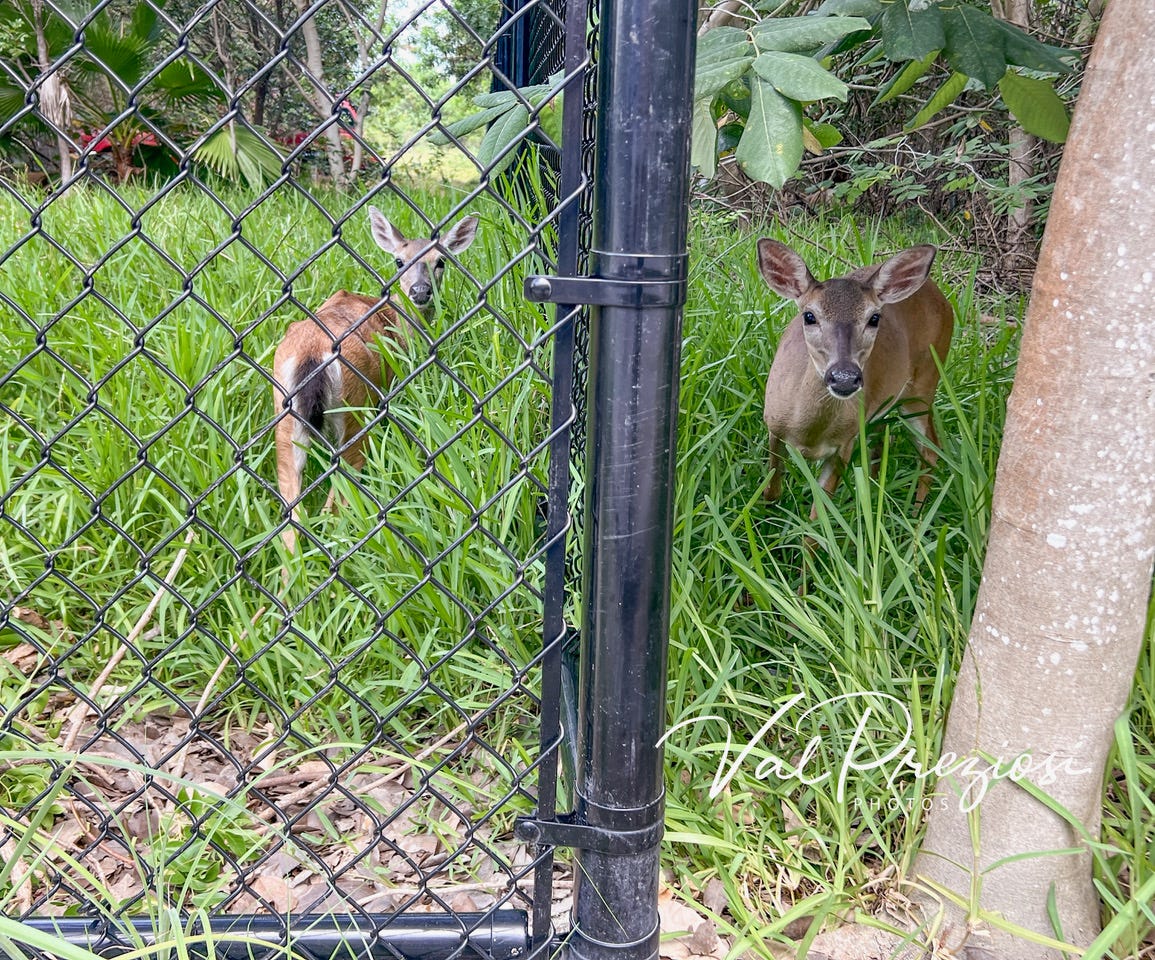
Save Our Key Deer continues to advocate for permanent wildlife corridors across the property to prevent future entrapments and says the immediate priority remains safely releasing the five deer back into their natural habitat.
Representatives of the College of the Florida Keys, the U.S. Fish and Wildlife Service and the Florida Fish and Wildlife Conservation Commission did not immediately respond to requests for comment regarding the delayed release or the apparent conflict between the Board of Trustees’ announced plan and the actions described by wildlife advocates.
I respectfully request the following be removed from the article since there was no "rescue strategy outlined by the Board". Thank you very much, Valerie Preziosi, Save Our Key Deer, Inc.
"The decision effectively reverses the rescue strategy publicly outlined by the Board of Trustees earlier this week"