


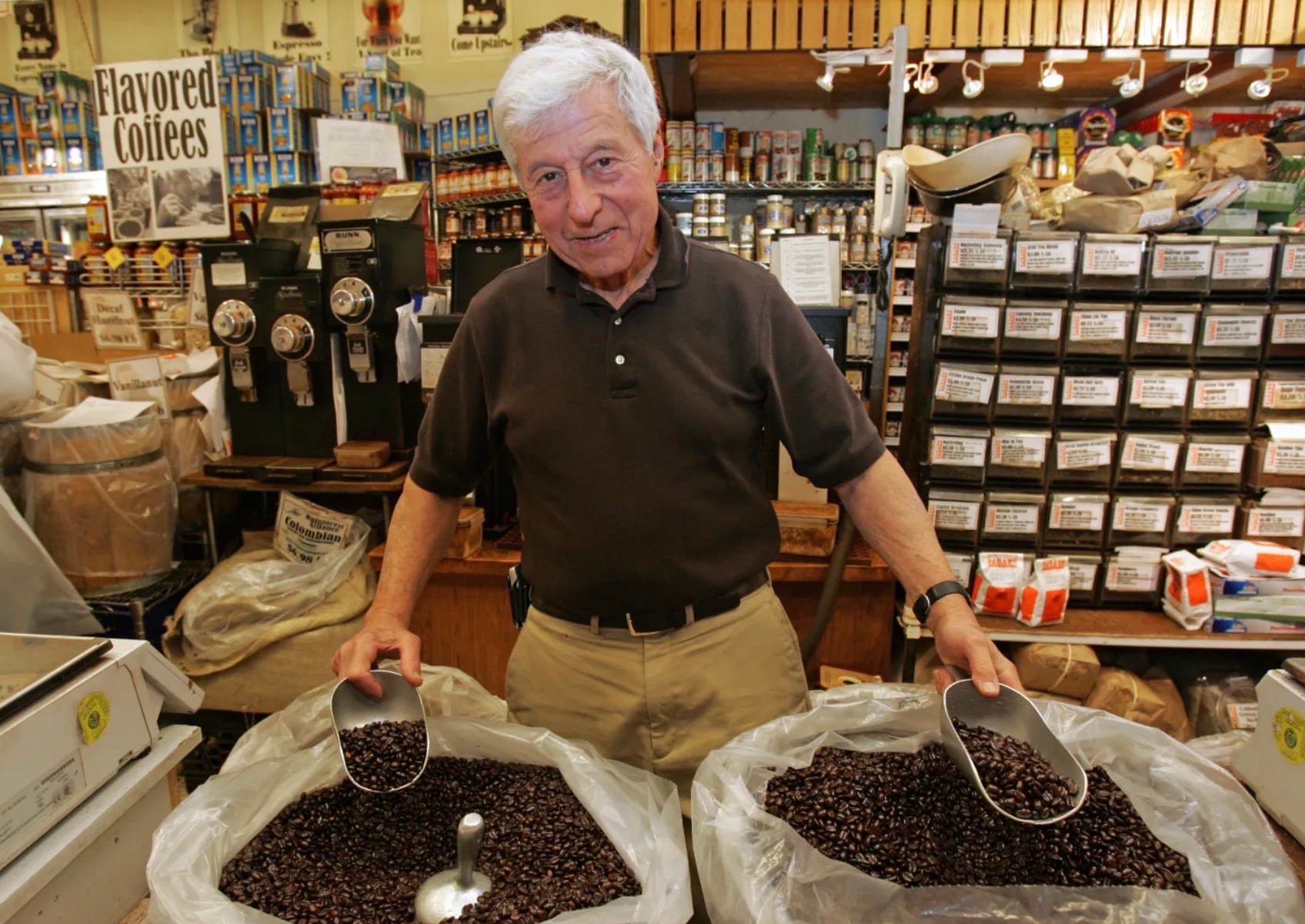
Saul Zabar — the New York food icon who transformed his family’s Upper West Side market into a global synonym for smoked fish, strong coffee, and no-nonsense excellence — died Tuesday at 97.
His death, confirmed by his daughter Ann to The New York Times, marked the end of an era for one of the last great family-run empires in American food.
In the Island City, you could almost set your watch by them (Saul and Stanley) — two brothers from New York City, khakis, boat shoes, hair like salt spray, strolling off the plane at the old Conch Republic International as if they owned the joint.
And in a way, they did.
Saul and Stanley Zabar, the High Priests of Lox, flying south for a few days of sun, tarpon, and peace.
No entourage.
No handlers.
Just quiet men with carry-ons full of khaki and the faint smell of smoked fish that seemed to follow them through Customs like incense at a temple.
I know — because I was there. I was the ramp rat and airline agent who helped Saul Zabar find his luggage when it went AWOL somewhere between LaGuardia and paradise.
He wasn’t angry.
He wasn’t even impatient.
He just smiled that half-smile that said he’d survived New York City wholesale markets for half a century — a missing Samsonite wasn’t going to ruin his day.
“Bags are like fish,” he said finally, calm as the tide. “You wait long enough, the good ones come back.”
They always did. And once the luggage surfaced, the Zabars would vanish — out past Garrison Bight, into a saltwater world far removed from Broadway and babka.
They fished.
They read.
They ate oysters at the Half Shell, probably argued about coffee beans and temperature the way most men talk about baseball.
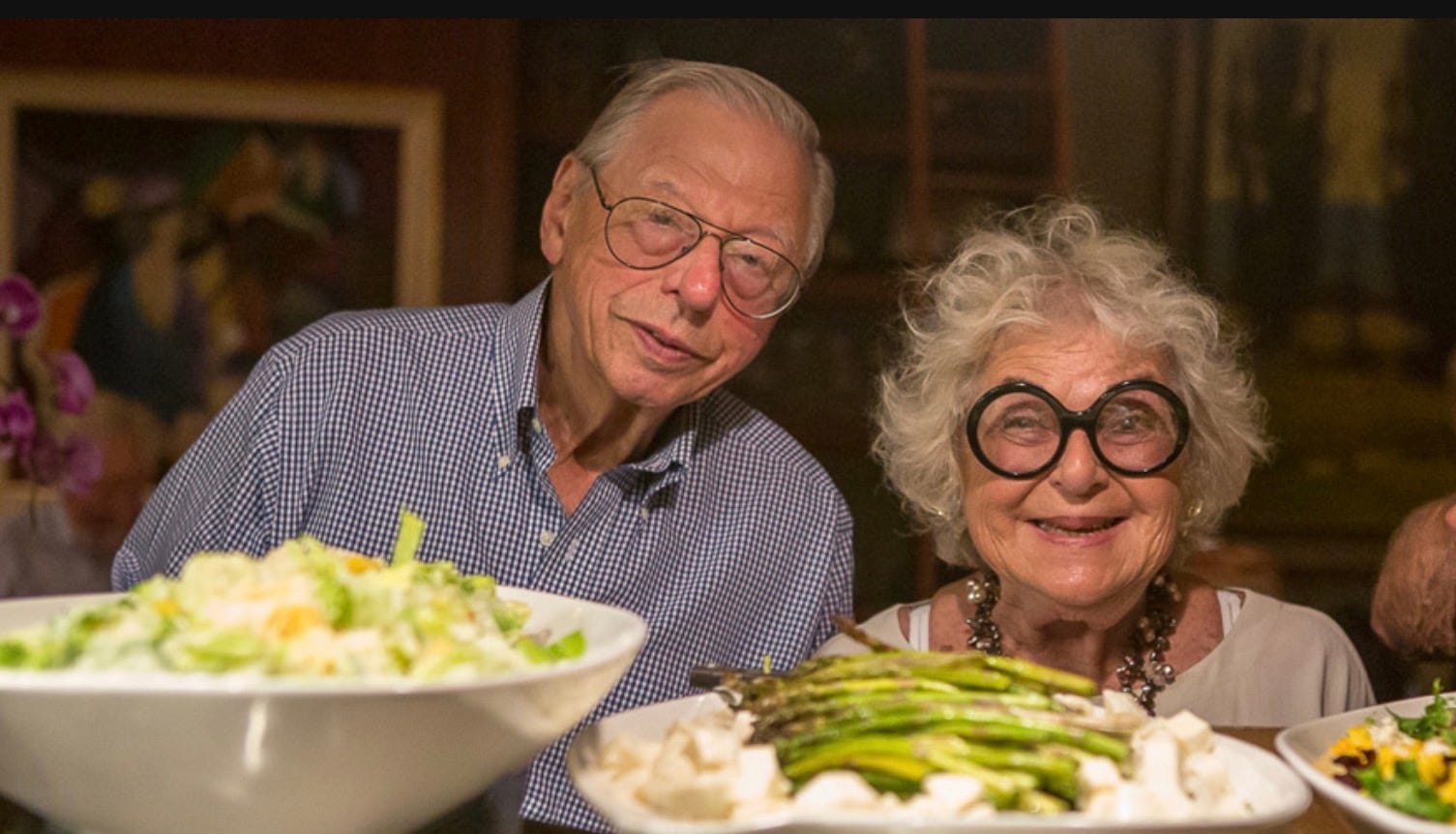
They were regulars, but never tourists. You’d find them tucked into a corner booth at Louie’s Backyard or leaning on a dock piling near the shrimp boats, just watching the water turn gold in the late light.
They fit here, somehow — the quiet intensity, the appetite for detail, the belief that excellence wasn’t something you bragged about but something you practiced, daily, until it became part of your bloodstream.
Zabar didn’t come to Key West to escape New York. He came here to remember how to breathe.
And maybe that’s the secret of it — the throughline from Broadway to the Bight, from the smell of smoked salmon to the salt wind off Fleming Key.
Perfection isn’t loud.
It’s patient.
It’s knowing when to wait, when to cast, when to walk away.
Saul Zabar understood that better than most men alive.
And for a few quiet seasons, so did the rest of us who watched him walk down that ramp, smile at the sea, and disappear into the blue.
R.I.P.
Great people. Never a cross word for underpaid, over worked airline workers.